Luigi di Mario – Luigi, Mario’s brother from the Nintendo games
https://wiki.wizard101central.com/wiki/Creature:Luigi_di_Mario
https://wiki.wizard101central.com/wiki/NPC:Luigi_di_Mario
https://en.wikipedia.org/wiki/Luigi
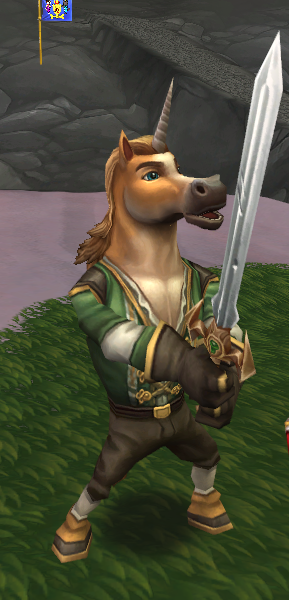
Luigi De Mario is trying to muscle folks like Ned Collie off their land. Townies are running out of Dream Water to sell and are looking for something else to bolster the tourist trade. Luigi is using corrupt Judges to force folks off their land so he can build an amusement park. After your wizard stops this plan, Luigi and his allies refurbish an Armada Sky Station into the “Doom Moon” to blow up Novus and anger Dasein.
Matilda Collie: “I told you to get, you lousy neigh-sayer. These are my hostages and they ain’t leavin’ just cause Prince Mario says so.”
Luigi di Mario: “Yawn Sorry, threats, boring. Toadies, eat-wait… wait one second. Is that the Wizard? THE Wizard? The one my little bro is always whining about? Luigi di Mario, Prince of House Mario, at your service. Well, I say service. I know, I know, people often go blind basking in my presence. But don’t, we’ve got stuff. Honor and all that. You offended the family Mario on Novus, so I plumbed the depths of a fallen world for toadies…”
Huntsman Toadie: “That’s us.”
Luigi di Mario: “That’s right. To hunt you down and bring you to me. But they Failed. Of course. And I hear you already scrapped my theme park venture. No big deal. I’m the Hunter of Giant Ghosts, Stepper-Onner of Angry Mushroom Things and Stomper of Thwompers. The park was just… a hobby, I guess. Uh-huh, uh-huh, Dingoes, ranchers, disruption YAWN Sorry, peasents, boring. So let’s fight – Scion of Bartleby vs. Champion of House Mario – legends in the flesh. And, yes, when I defeat you, I will sign your gravestone.”
Monstrology Tome Description
The true champion of House Mario. After all, whenever anyone thinks ‘Mario’, they immediately think ‘Luigi’.
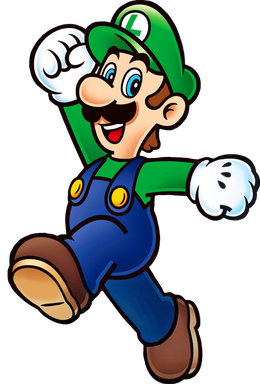
Luigi (Japanese: ルイージ, romanized: Ruīji) is a character created by Japanese video game designer Shigeru Miyamoto. Part of Nintendo’s Mario franchise, he is a kind-hearted, cowardly Italian plumber, and the younger fraternal twin brother and sidekick of Mario. Like his brother, Luigi’s distinctive characteristics include his large nose and mustache, overalls, green hat, and high-pitched, exaggerated Italian accent.
Luigi first appeared in Mario Bros., a 1983 platform game, in which he was originally designed as a palette swap of Mario with a green color scheme; Luigi has since appeared in multiple games and other media throughout the Mario franchise, in which developed a personality and style of his own. As his role in the Mario franchise progressed, Luigi evolved into a physically distinct character, and become the main protagonist of Mario is Missing! and the Luigi’s Mansion series. Charles Martinet voiced Luigi from 1992 to 2023, when he was succeeded by Kevin Afghani.
Luigi has appeared in over 200 video games. These include puzzle games such as Dr. Luigi, role-playing games such as Paper Mario and Mario & Luigi, and sports games such as Mario Kart and Mario Tennis. Luigi has also appeared in other Nintendo properties, such as the Super Smash Bros. series of crossover fighting games. From March 2013 to March 2014, Nintendo called the period the Year of Luigi to commemorate the thirtieth anniversary of the character’s existence. Correspondingly, games released in 2013 emphasized Luigi. An unlockable Luigi-themed version of Mario Bros., titled Luigi Bros., was also included with Super Mario 3D World.
Luigi’s likeness has been featured in merchandise based on the Mario series, as well as comic books and television shows such as The Super Mario Bros. Super Show, in which he was portrayed by Danny Wells. He was also portrayed by John Leguizamo in the live-action film Super Mario Bros. (1993) and voiced by Charlie Day in the animated film The Super Mario Bros. Movie (2023).
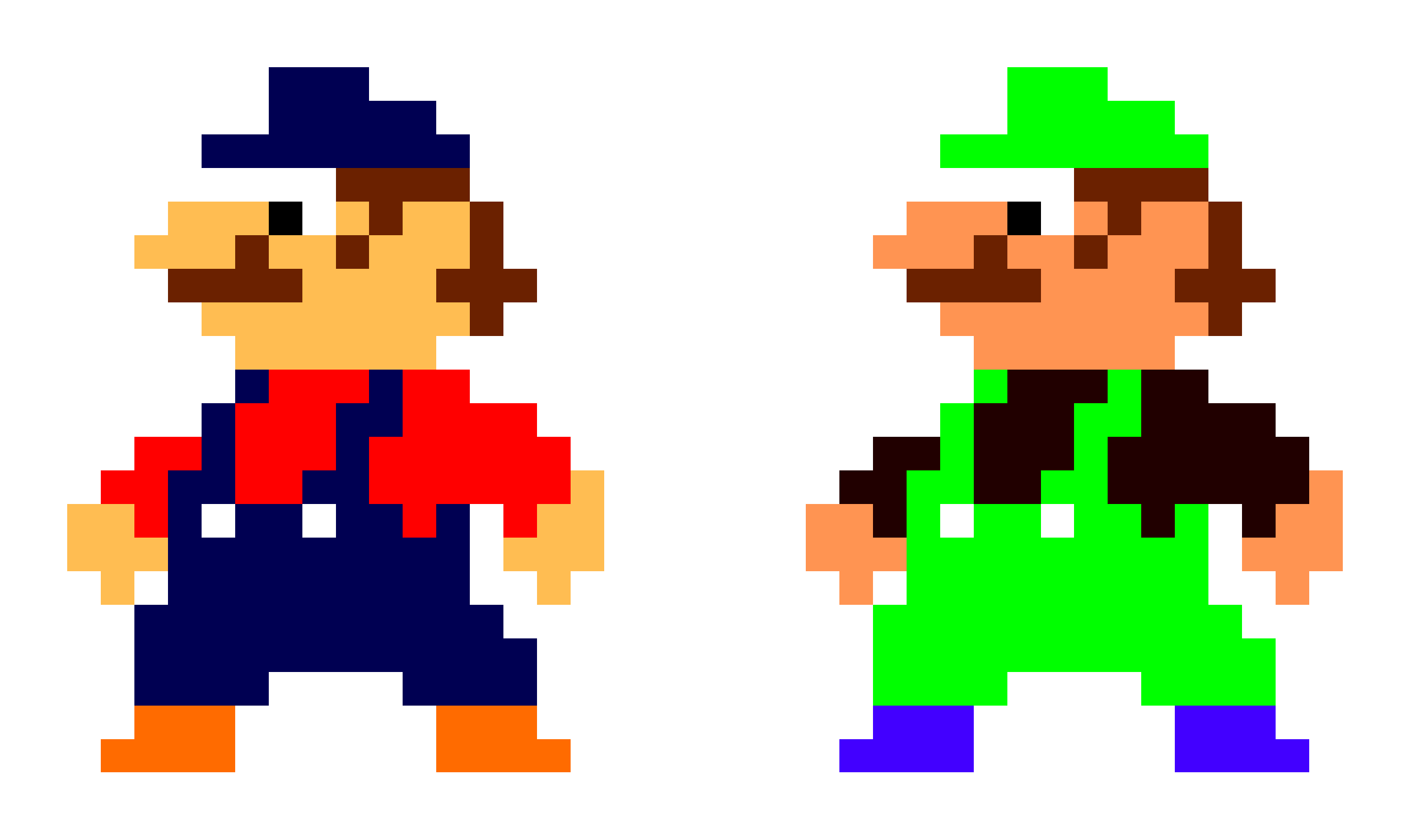
It is currently unconfirmed how Luigi received his name, although there are many theories. New Straits Times noted that Miyamoto observed the Japanese word ruiji means “similar”, thus explaining the similarities of Luigi to Mario. Rus McLaughlin of IGN wrote that the theories from a rhyme on the Japanese word for “similar or analogous” and a pizza parlor near Minoru Arakawa’s (former president of Nintendo) office called Mario & Luigi’s were considered. Software constraints at the time of the respective game’s origins meant that Luigi’s first appearance was restricted to a simple palette swap.
The current list of all the (known) Wallaru references are located here.
Although I am well versed in Pop Culture references but I do not claim to have caught them all. Let me know your favorites in the comments and if I’ve missed one you caught, let me know so I can add it to the list.
Text for this article is excerpted from the linked wiki pages
Luigi di Mario image is from Wizard101, and is copyright of KingsIsle Entertainment.
All Luigi artwork is borrowed from Wikipedia and is copyright Nintendo
Image usage qualifies as fair use under US copyright law.
 Vulcan Stev's Database