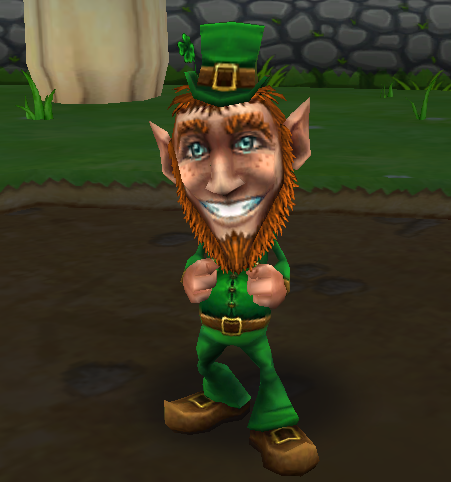
Shane MacGobhann – Lucky the Leprechaun (outfit), Shane MacGowan of the Pogues (Name and Quests)
https://wiki.wizard101central.com/wiki/NPC:Shane_MacGobhann
https://en.wikipedia.org/wiki/Lucky_Charms
https://en.wikipedia.org/wiki/The_Pogues
https://en.wikipedia.org/wiki/Shane_MacGowan
https://en.wikipedia.org/wiki/The_Irish_Rover
https://www.youtube.com/watch?v=yAEFKjqPtlU
https://en.wikipedia.org/wiki/Hell%27s_Ditch
https://www.youtube.com/watch?v=j7pLeAGsFCs
https://en.wikipedia.org/wiki/The_Parting_Glass
https://www.youtube.com/watch?v=rMfb_0Cg7jQ
Thank you to Ashlee D for her help.
Shane MacGobhann is a Leprechaun Smith from Toadstool Village in Avalon. He is a Recipe Vendor. He is located in the southwest area of The Wild, in Toadstool Village. Shane sells Recipes for Boots, Athames, Amulets, Rings, Transmutations, and Jewels.
When the Fire Elves need your assistance to defeat the Winter Wyrm, they send you to Shane. He can fix your shoes so you won’t slip on the ice while fighting the Winter Wyrm.
Three of the quests involving Shane are: “Six to Go”, “The Parting Glass”, and “Weirwood Rover”.
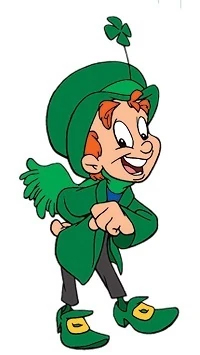
Lucky Charms is a brand of breakfast cereal produced by General Mills since 1964. The cereal consists of multi-colored marshmallows and pieces of shaped pulverized oat, each resembling one of several objects or symbols associated with good luck. The packaging and marketing features a leprechaun mascot, Lucky.
The mascot of Lucky Charms, created in 1963, is Lucky the Leprechaun, also known as Sir Charms, and originally called L.C. Leprechaun. The cartoon character’s voice was supplied by the late voice actor Arthur Anderson until 1992. Lucky has also been voiced by Eric Bauza, Tex Brashear, Jason Graae, Doug Preis, and Daniel Ross.
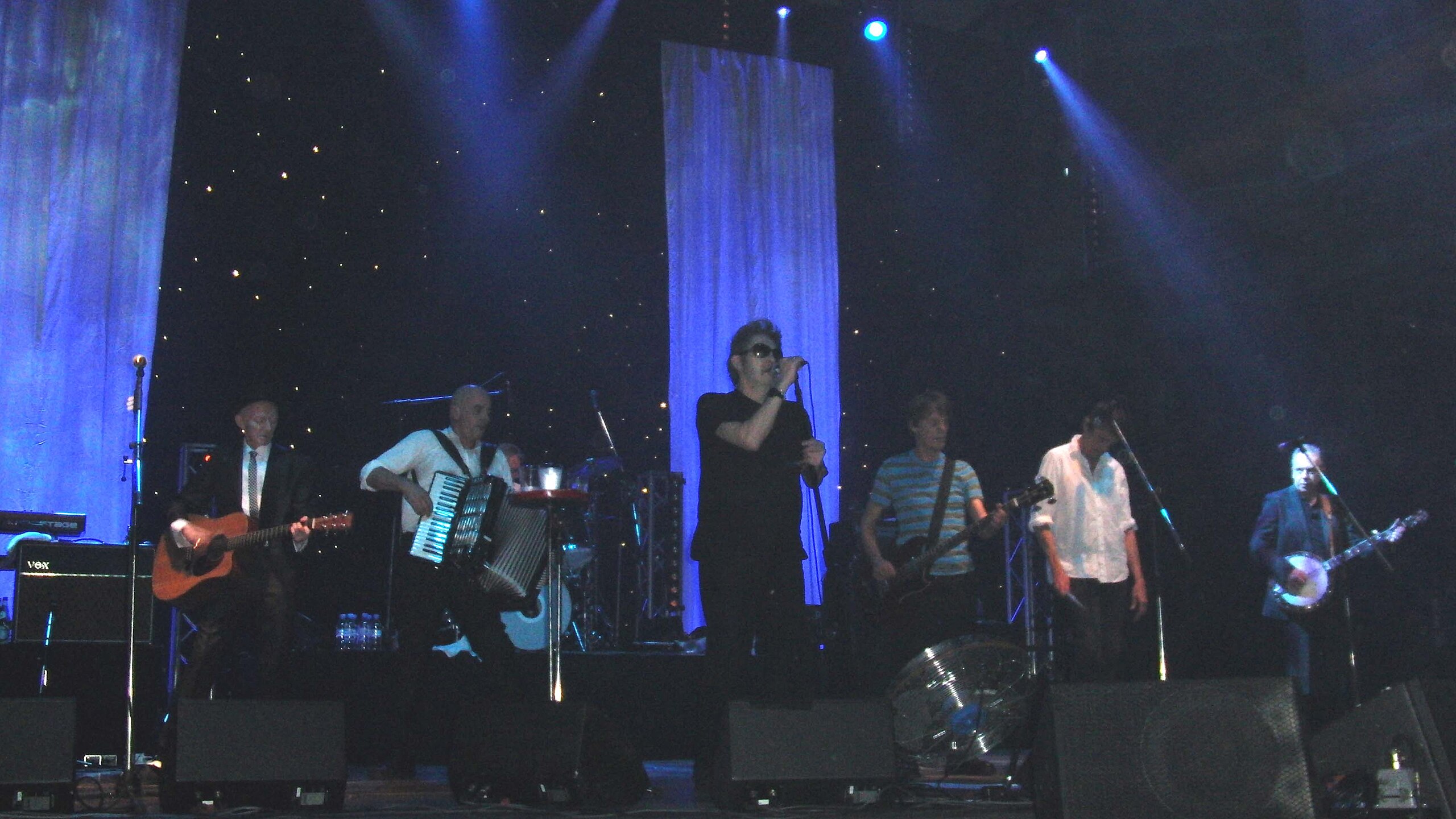
The Pogues are an English Celtic punk band founded in King’s Cross, London, in 1982, by Shane MacGowan, Spider Stacy and Jem Finer. Originally named Pogue Mahone—an anglicization of the Irish phrase póg mo thóin, meaning “kiss my arse”—the band fused Irish traditional music with punk rock influences. Initially poorly received in traditional circles—folk musician Tommy Makem labelled the band “the greatest disaster ever to hit Irish music”—they were later credited with reinvigorating the genre.
After their founding, the Pogues added more members, including James Fearnley and Cait O’Riordan, and built a reputation playing raucous live shows in London pubs and clubs. After opening for the Clash on their 1984 tour, they released their first studio album, Red Roses for Me, featuring a mix of traditional Irish songs and original compositions by MacGowan. Elvis Costello produced their second album, Rum Sodomy & the Lash (1985), and the follow-up four-track EP Poguetry in Motion (1986). The Pogues collaborated with the Dubliners on a 1987 arrangement of the traditional folk song “The Irish Rover”, which reached number one in Ireland and number eight in the UK.
“The Irish Rover” (Roud 4379) is an Irish folk song about a magnificent though improbable sailing ship that reaches an unfortunate end. It has been recorded by numerous artists, with the lyrics changing over time due to the folk process.
The song describes a gigantic ship with “twenty-three masts” (versions by the Dubliners and the Pogues claim twenty-seven), a colorful crew and varied types of cargo in enormous amounts. The verses grow successively more extravagant about the wonders of the great ship. The seven-year voyage culminates in a disastrous end, after the ship suffers a measles outbreak, killing all but the narrator and the captain’s dog. The ship then strikes a rock, turning “nine times around” and sinking. The captain’s dog drowns in the incident, and the narrator is the only survivor, “the last of the Irish Rover”, leaving no one else alive to contradict the tale.
Hell’s Ditch continued the group’s slow departure from Irish music, giving more emphasis to rock and straight folk rock, and forsaking their earlier staples of traditional compositions almost entirely. MacGowan parted with the band after the release of the album, owing to the decline of his reliability as a performer, which was caused by his abuse of alcohol and drugs. “Six to Go” is the last track on the album.
“The Parting Glass” (Roud 3004) is a Scottish traditional song, often sung at the end of a gathering of friends. It has also long been sung in Ireland, where it remains popular; this has strongly influenced how it is often sung today. It was purportedly the most popular parting song sung in Scotland before Robert Burns wrote “Auld Lang Syne”.
Avalon references are located here.
Although I am well versed in Pop Culture references, I do not claim to have caught them all. Let me know your favorites in the comments and if I’ve missed one you caught, let me know so I can add it to the list.
Text for this article is excerpted from the linked wiki pages.
Shane MacGobhann image is from Wizard101, and is copyright of KingsIsle Entertainment.
Lucky the Leprechaun is TM and (c) General Mills
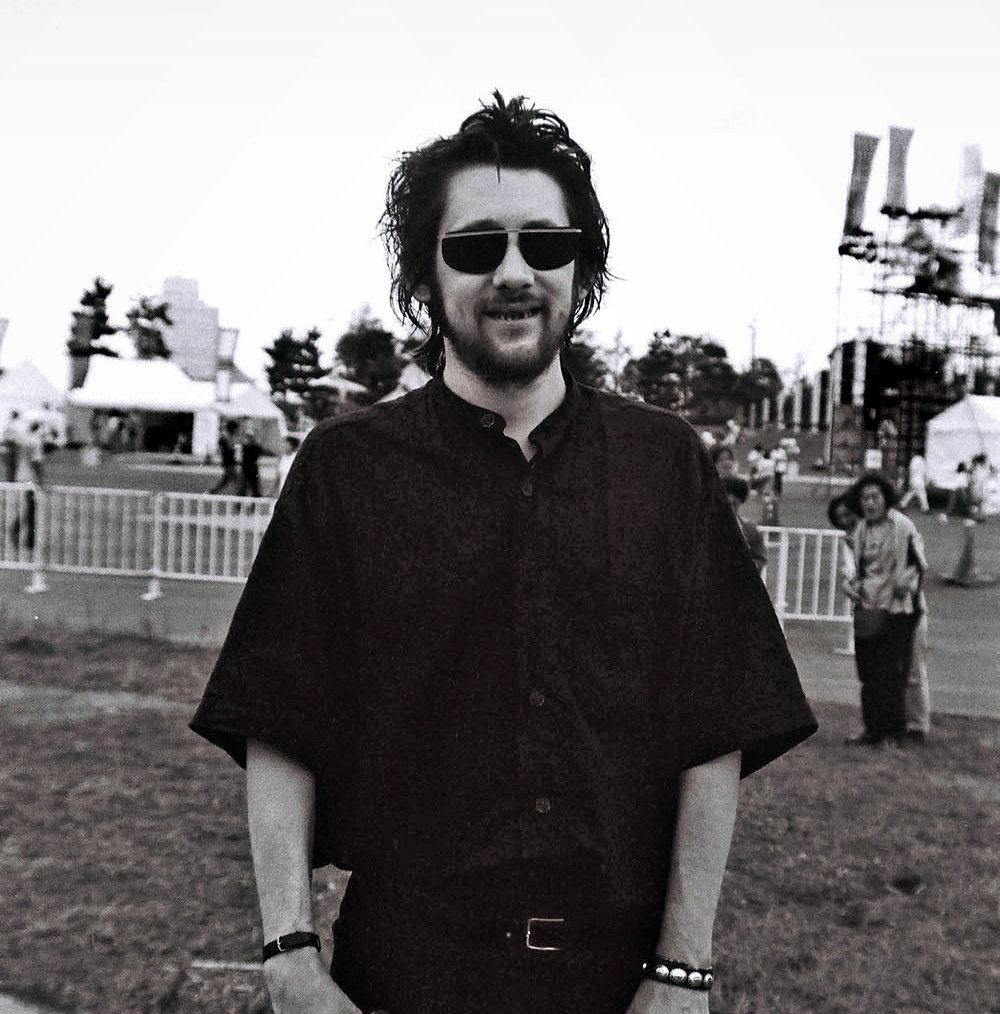
Shane MacGowan is borrowed from Wikipedia. It is copyright Masao Nakagami and is shared under the CC BY-SA 2.0 Creative Commons License.
The Pogues image is borrowed from Wikipedia. It is copyright Redadeg and is shared under the CC BY-SA 3.0 Creative Commons License
Image usage qualifies as fair use under US copyright law.
 Vulcan Stev's Database