The Silo Gobblers; Augustus, Mikey, Veruca, and Charley – Augustus Gloop, Mike Teavee, Veruca Salt, and Charlie Bucket from Charlie and the Chocolate Factory by Roald Dahl.
https://wiki.wizard101central.com/wiki/Creature:Augustus
https://wiki.wizard101central.com/wiki/Creature:Mikey
https://wiki.wizard101central.com/wiki/Creature:Veruca
https://en.wikipedia.org/wiki/Charlie_and_the_Chocolate_Factory
https://en.wikipedia.org/wiki/List_of_Charlie_and_the_Chocolate_Factory_characters
https://en.wikipedia.org/wiki/Willy_Wonka_%26_the_Chocolate_Factory
https://en.wikipedia.org/wiki/Charlie_and_the_Chocolate_Factory_(film)
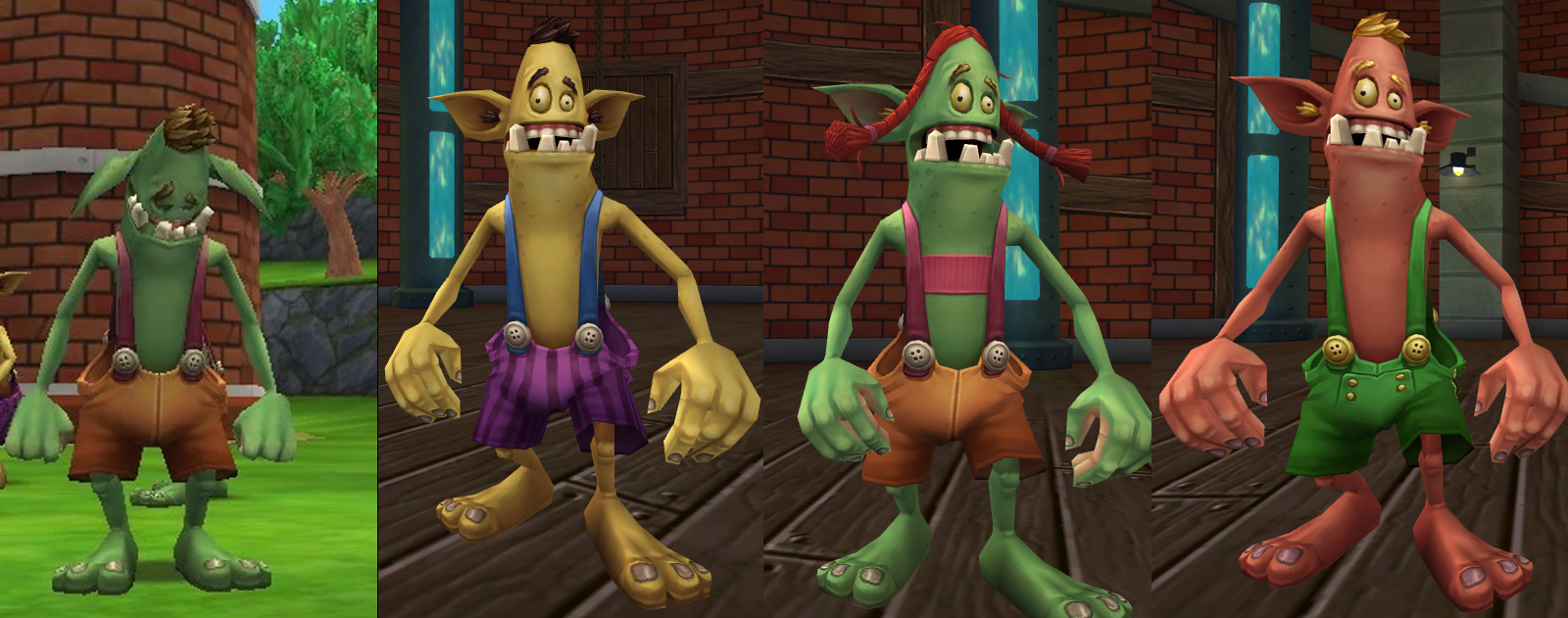
Nana has imprisoned these four hangry gobblers in sweatboxes in the Hot House Silo at the Candy Corn Farm. She is using their sweat to sourize the gummies.
Monstrology Tome Description:
Gobbler physiology is actually a complex and fascinating subject. But it is unwise to study them without gasmasks.
Mikey once tried eating Castle Gobbsmack and lost many teeth. Stones, it seems, aren’t meant to be gobbled.
Sometimes mistaken for turkeys. Delicious turkeys. In fact, the two species do not get along.
Actually, what you call “”hanger”” is really a massive chemical imbalance owing to poor diet and emotional support mechanisms.

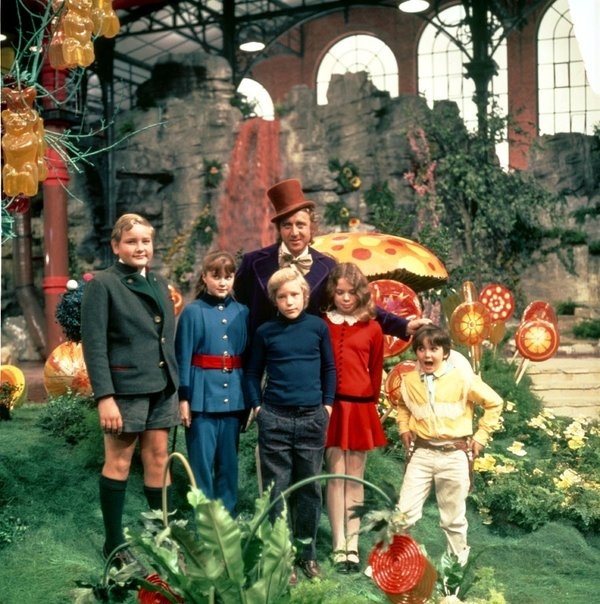
Charlie and the Chocolate Factory is a 1964 children’s novel by British author Ronald Dahl. The story features the adventures of young Charlie Bucket inside the chocolate factory of eccentric chocolatier Willy Wonka.
The story was originally inspired by Roald Dahl’s experience of chocolate companies during his schooldays at Repton School in Derbyshire. Cadbury would often send test packages to the schoolchildren in exchange for their opinions on the new products. At that time (around the 1920s), Cadbury and Rowntree’s were England’s two largest chocolate makers and they each often tried to steal trade secrets by sending spies, posing as employees, into the other’s factory—inspiring Dahl’s idea for the recipe-thieving spies (such as Wonka’s rival Slugworth) depicted in the book. Because of this, both companies became highly protective of their chocolate-making processes. It was a combination of this secrecy and the elaborate, often gigantic, machines in the factory that inspired Dahl to write the story.
Charlie and the Chocolate Factory is frequently ranked among the most popular works in children’s literature. The novel was first published in the U.S. by Alfred A. Knopf, Inc. in 1964 and in the U.K. by George Allen & Unwin 11 months later. The book’s sequel, Charlie and the Great Glass Elevator, was written by Dahl in 1971 and published in 1972. Dahl had also planned to write a third book in the series but never finished it.
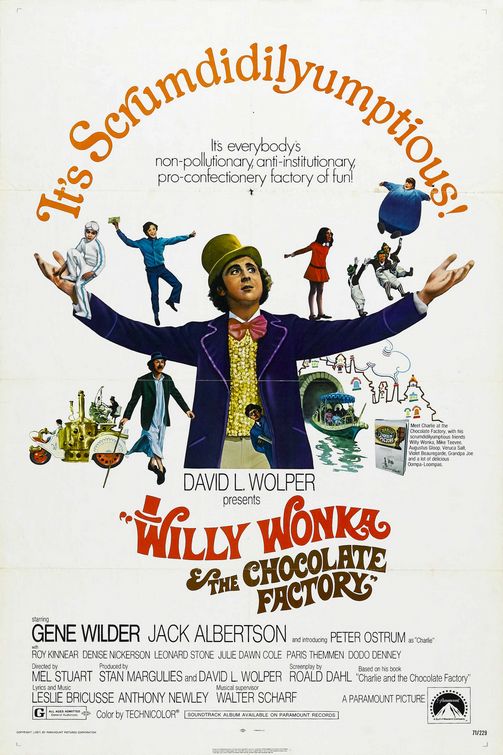
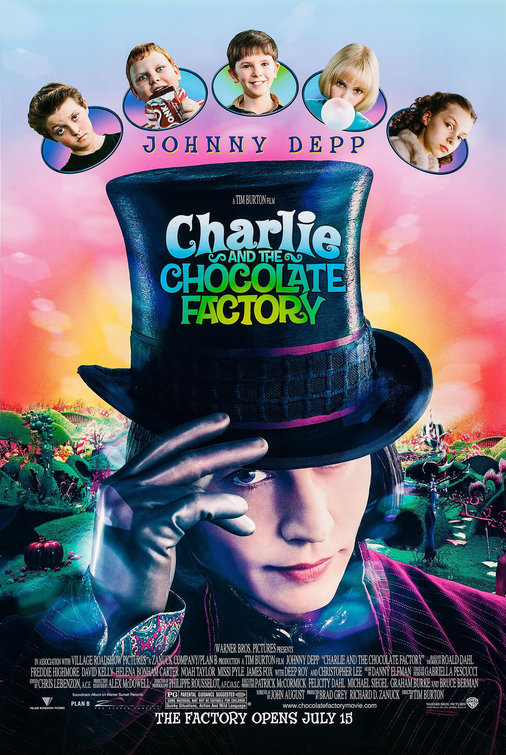
The book has also been adapted into two major motion pictures: Willy Wonka & the Chocolate Factory in 1971 and Charlie and the Chocolate Factory in 2005. A stand-alone film exploring Willy Wonka’s origins titled Wonka was released in 2023.
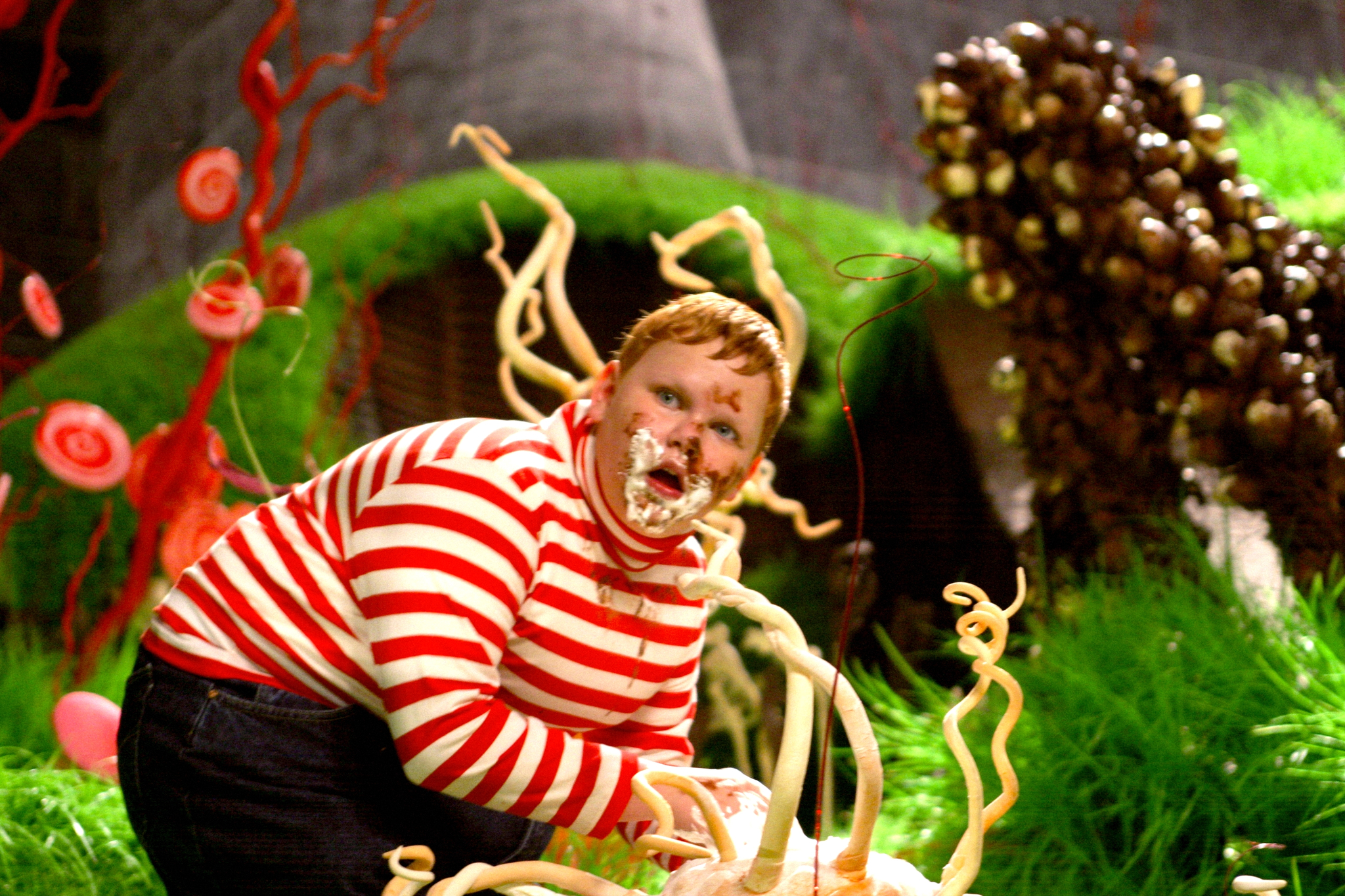
in Warner Bros. Pictures Charlie and the Chocolate Factory (2005)
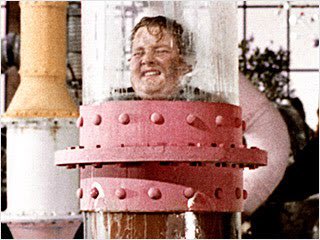
Augustus Gloop is an obese, greedy, 9-year-old boy, the first person to find a Golden Ticket and one of the four main antagonists of Charlie and the Chocolate Factory. He hails from the fictional town of Dusselheim, West Germany in the 1971 film, and Düsseldorf, Germany in the 2005 film. His mother takes great pride in his gluttonous eating and seems to enjoy the attention of the media. In the novel and both films, he is portrayed as “enormously fat”. Augustus is the first to be removed from the tour: while drinking from the Chocolate Room’s Chocolate River, he accidentally falls into the river and is drawn through a pipe to the factory’s Fudge Room. His parents are summoned to retrieve him from the mixing-machine. In the book, he is depicted leaving the factory extremely underweight from being squeezed in the pipe. He is portrayed by Michael Böllner in the 1971 film and by Philip Wiegratz in the 2005 version.
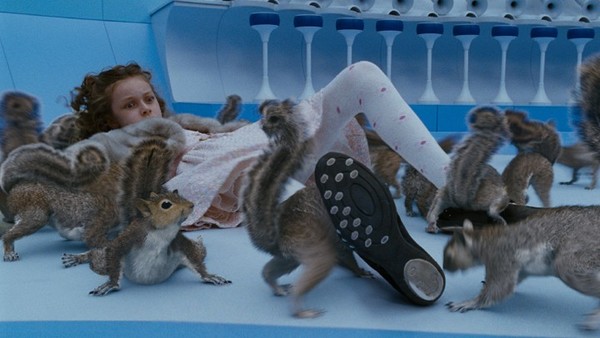
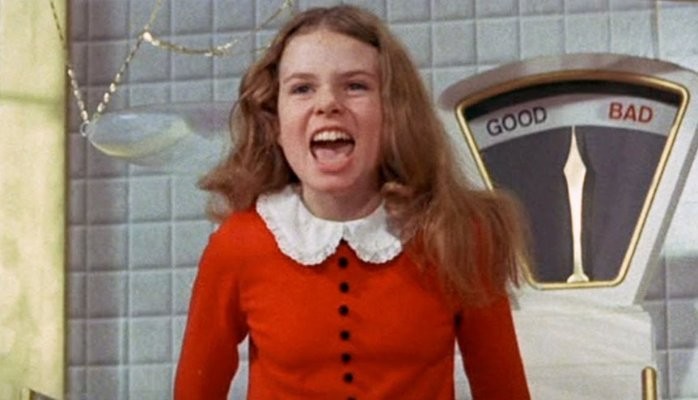
Veruca Salt is a greedy, demanding, spoiled brat and one of the four main antagonists of Charlie and the Chocolate Factory. She demands everything she wants, and she wants everything she sees. Veruca is the second person to find a Golden Ticket and the third eliminated from the factory tour. Unlike the other winners, Veruca did not find a golden ticket herself; rather her father instructed the workers of his peanut shelling factory to unwrap thousands of Wonka bars he had purchased until they found a golden ticket.
Showing her wealthy parents no mercy, and no regard for other people’s property, Veruca frequently pesters her parents to purchase anything that catches her fancy. For example, when the tour reaches the Nut Sorting Room — a place where trained squirrels test each nut to see if it is good or bad by tapping it with their knuckles — Veruca demands that her parents buy a trained squirrel for her from Mr. Wonka. He refuses, so she goes into the squirrels’ area to get one for herself. Instead, the squirrels grab her and declare her a “bad nut”. After that, both she and her parents are thrown down the garbage chute. Later, all three Salts are seen exiting the factory “covered in garbage”. She was portrayed by Julie Dawn Cole in 1971 and by Julia Winter in 2005.
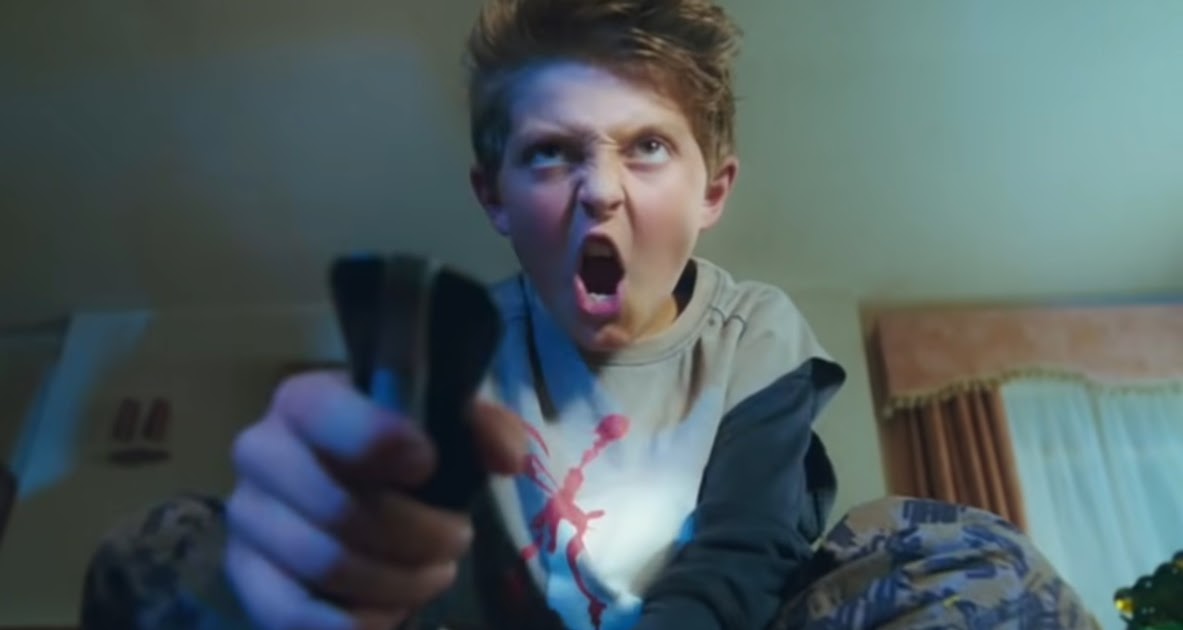
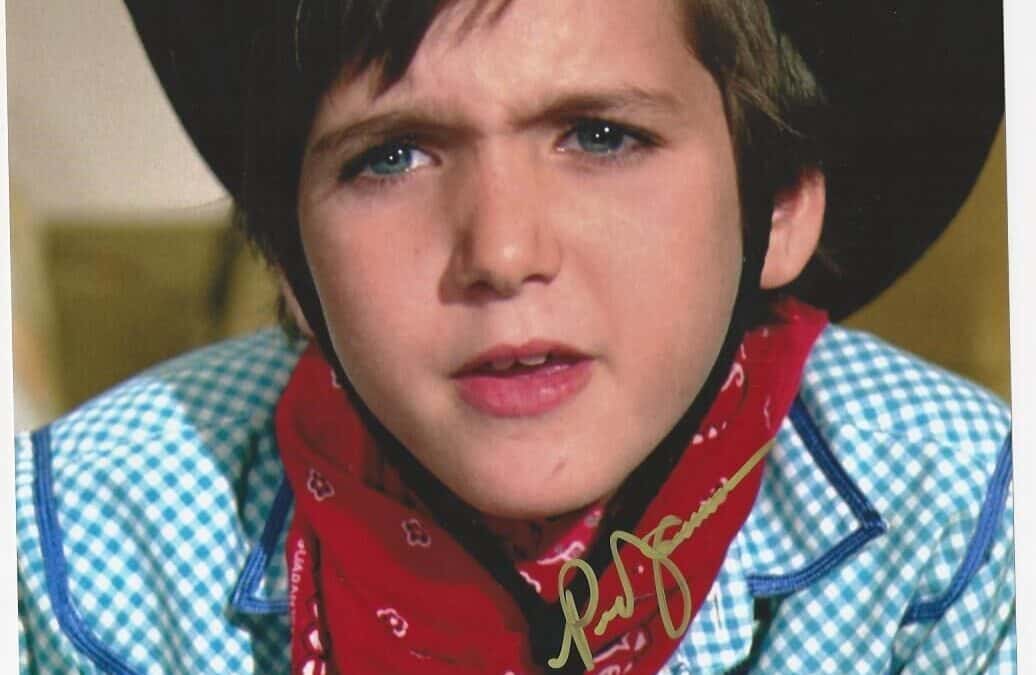
Mike Teavee is a 9-year-old boy who does nothing but watch television, both the fourth Golden Ticket finder and the fourth to be eliminated from the tour, and one of the four main antagonists of Charlie and the Chocolate Factory. He was described as adorned with 18 toy pistols that he “fires” while watching gangsters on TV. He is bad-tempered and slothful, but also intelligent, and asks Wonka several questions (which go unanswered) throughout the tour. How he found his Golden Ticket is never explained in the book or the 1971 film, as he is too absorbed in his television viewing to talk to the press about it. In the 2005 film, he does have an explanation of how he found the Golden Ticket: he used an algorithm to find it as an intellectual exercise. In the book, both of Mike’s parents tour the factory with him. During a display of miniaturization technology, used to transport chocolate, Mike shrinks himself to a tiny size, and Willy Wonka has an Oompa-Loompa take the Teavee family to the Gum-Stretcher Room to get Mike stretched back to normal. Mike is last seen exiting the factory, now “ten feet tall and thin as a wire” because the Oompa-Loompas had overstretched him. His last name resembles the word TV in connection to his love of electronics. In the 1971 film, Mike is played by Paris Themmen and his surname is spelled “Teevee” in the credits. In the 2005 film, 13-year-old Mike is portrayed by Jordan Fry, and his interests are updated to being very destructive, with the Internet and video games (especially gory first-person shooters) in addition to television viewing.
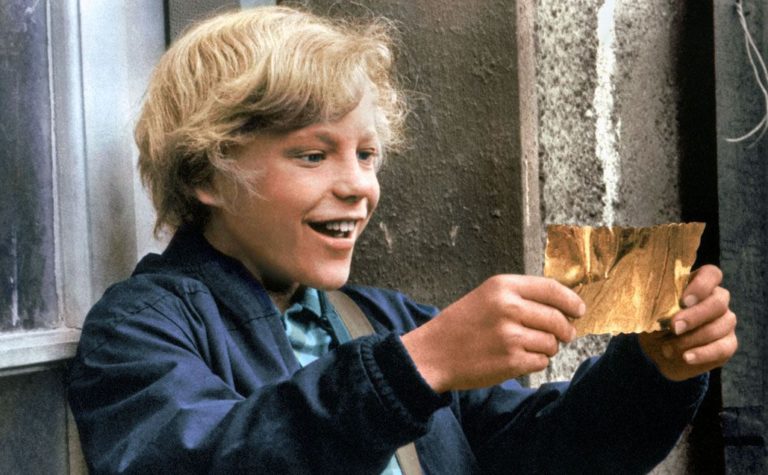
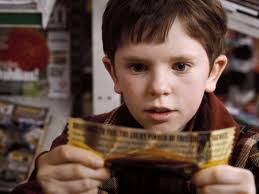
Charlie Bucket is the second main character of Charlie and the Chocolate Factory, its sequel Charlie and the Great Glass Elevator, and the film adaptations of these books. He is depicted as a kind-hearted and selfless boy who lives in poverty with his mother, father and his four grandparents. In the original film, he has a newspaper route after school; his father is not mentioned and his mother cares for him as a solo parent. He and his family follow the progress of the hunt for the Golden Tickets in newspapers and television. In the 2005 film, Charlie’s father is revealed to have lost his job at a toothpaste factory, having been made redundant after the factory purchased a robot to do the job that he had, only to be rehired as a technician. Unlike the first four finalists, Charlie is honest and generous; he is actually worried if the other nasty children such as Augustus and Veruca will actually be alive after their ordeals. In the 1971 film, Charlie was portrayed by Peter Ostrum, in his only film appearance. In the 2005 film, Charlie was portrayed by Freddie Highmore.
The current list of all the Karamelle references can be found here.
The Silo Gobbler image is from Wizard101, and is (c) KingsIsle Entertainment.
It is being used in a way that qualifies as fair use under US copyright law. The combined image was put together by Alien Graphics
Charlie and the Chocolate Factory book cover is borrowed from Wikipedia and is in the public domain.
Movie posters are borrowed from the Imp Awards and are copyright their respective studios.
All images from Willy Wonka and the Chocolate Factory are copyright 1971 by Paramount Pictures
All images from Charlie and the Chocolate Factory are copyright 2005 Warner Bros.
Text for this article is excerpted from the linked wiki pages
 Vulcan Stev's Database