Gummy Units – Haribo Gummy Products and Oompa Loompas
https://wiki.wizard101central.com/wiki/Category:Gummy_Bear
https://wiki.wizard101central.com/wiki/Creature:Gummy_Bunny_(Balance)
https://wiki.wizard101central.com/wiki/Creature:Gummy_Worm_(Life-Myth)
https://en.wikipedia.org/wiki/Haribo
https://www.haribo.com/en-us/products
https://roalddahl.fandom.com/wiki/Oompa_Loompas
Thank to Debbie E. for her assistance with this article.
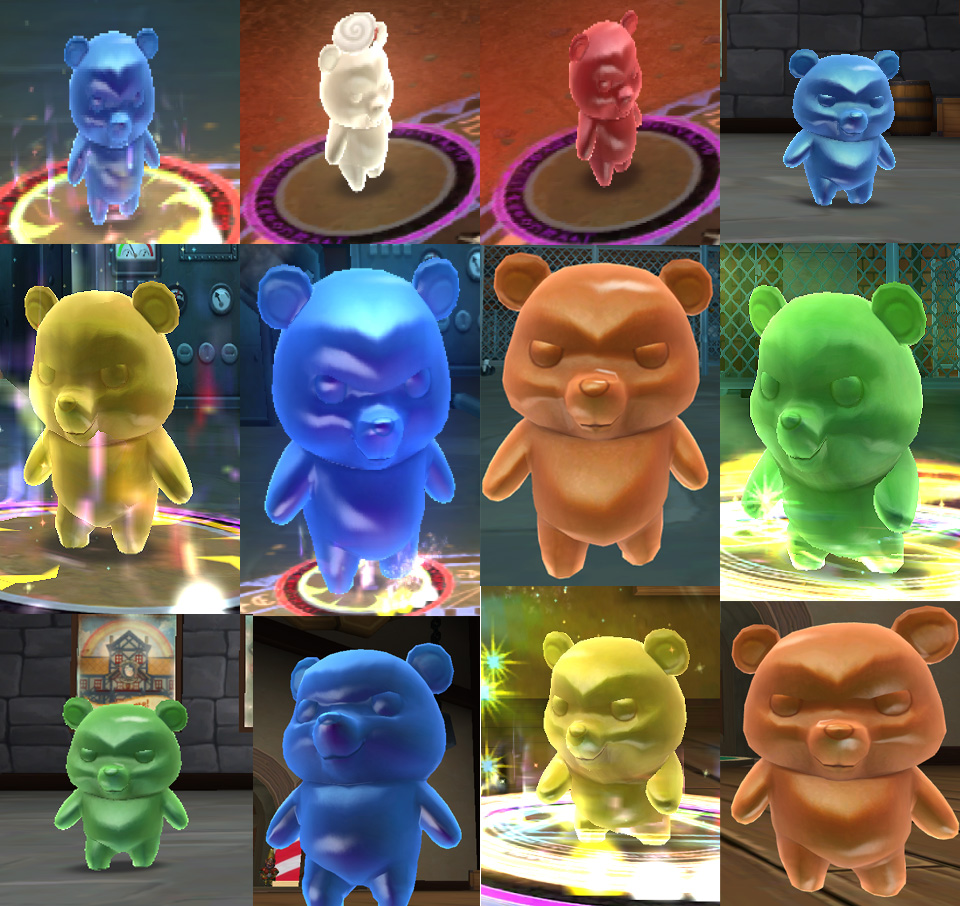
The Gummies, also known as Gummy units, were the worker drone units used by Nana’s Olde Fashioned Karamelle Delights to gather chocolate, marshmallow, gumdrops, and other ingredients from throughout Karamelle, which were then sent to Nana’s factories.
“The Gummies are meticulously designed worker drones. Invented to do the grunty labor work, and maybe the occasional song and dance.”
― Maulwurf von Trap
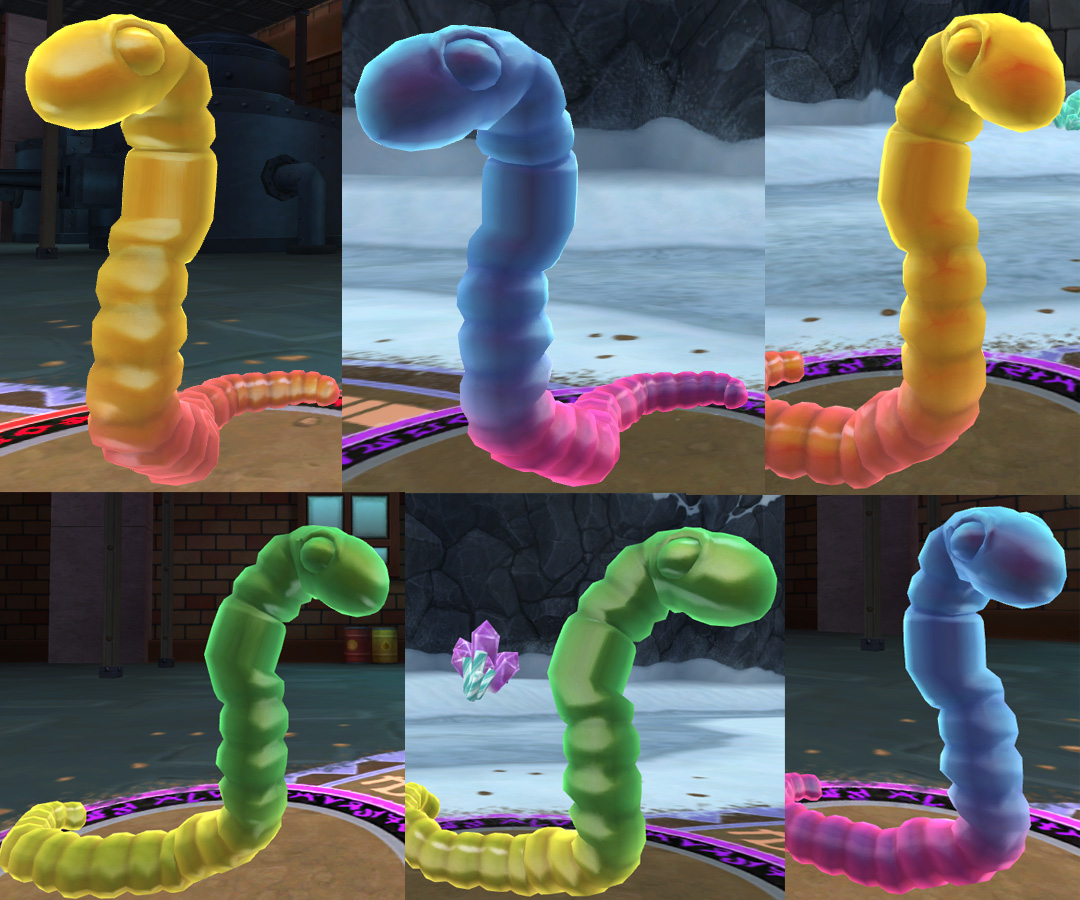
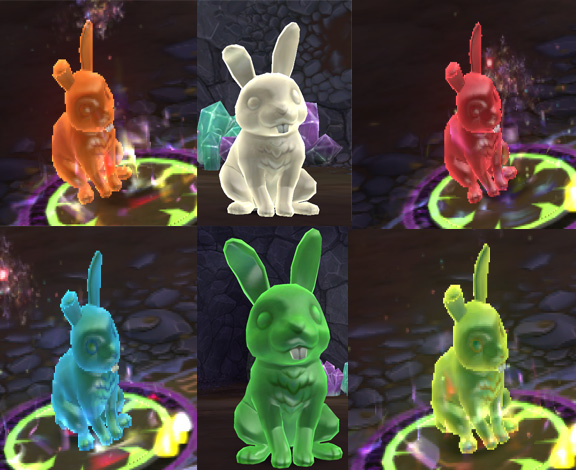
The Gummy units are classified by three types; Bears, Bunnies and Worms. Your wizard encounters many different Gummy Bears, each with their own function; Blue Radberry Bears, Creme Berets, Gumberjacks, Multivitamin Bears, Snazzleberry Bears, Ubears, Uber-Bears, Vitamin Bear, Winterfresh Bears, Xtra Limes Bears, Xtreme Lime Bears, and Zazzleberry Bears. The Gummy Bunnies have six flavors, one for each school except storm. The Gummy worms are hybrids, mixing attributes from various schools. Something in Karamelle has turned the Gummy Units from Sweet to Sour. It’s up to your wizard to find the cause and fix the problem.
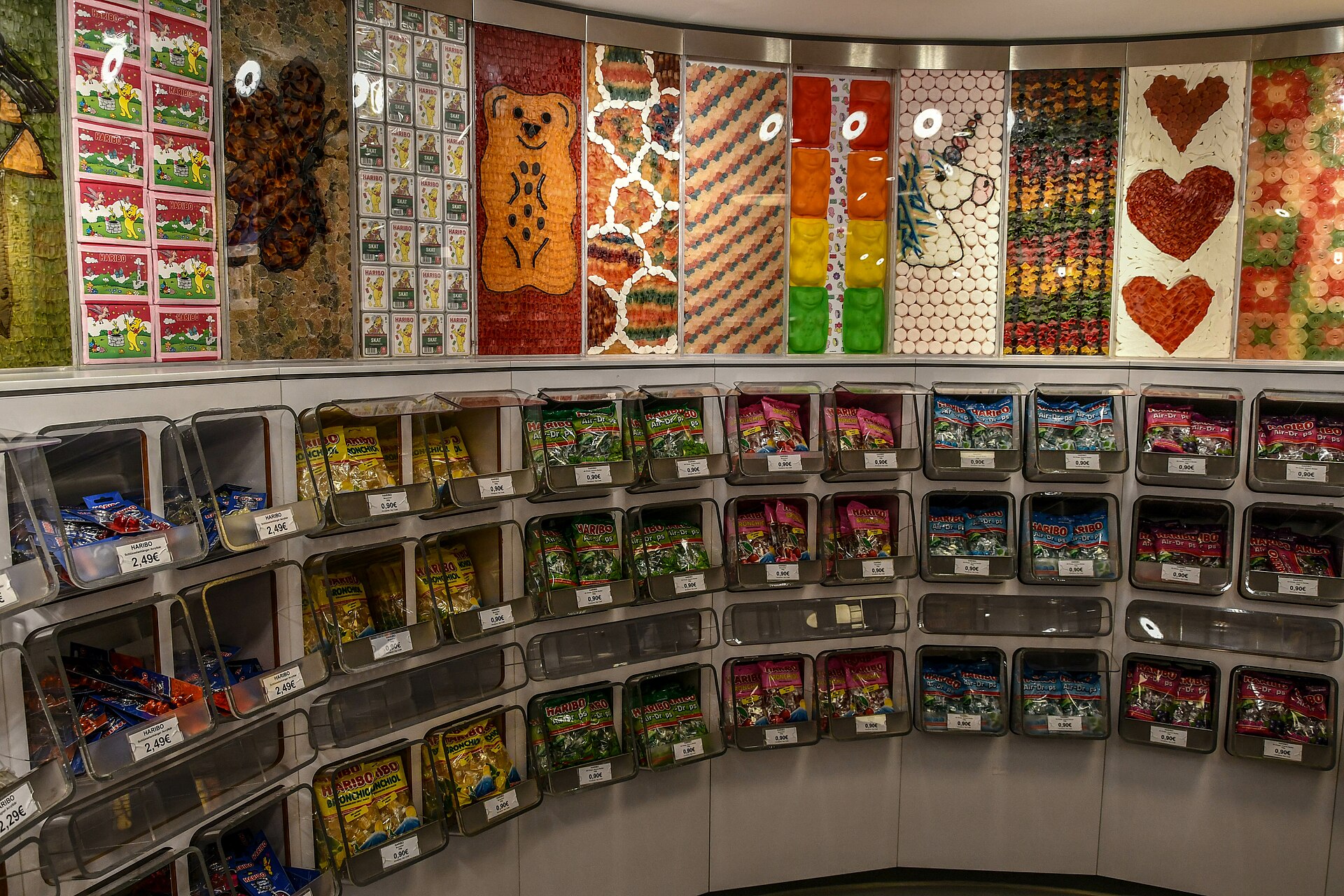
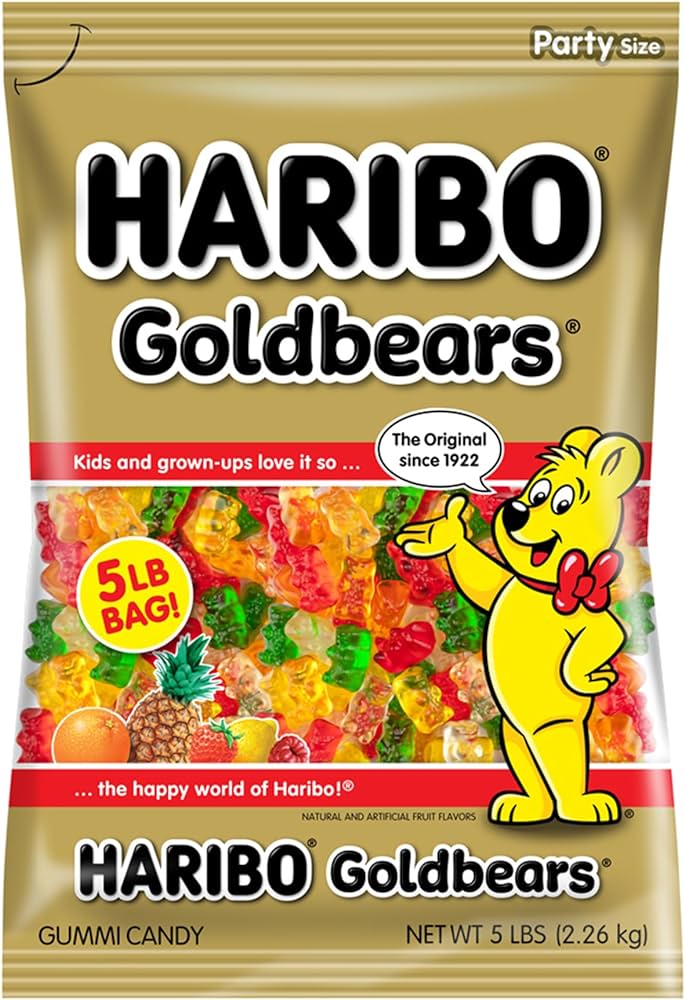
Haribo GmbH & Co. KG, doing business as Haribo, is a German confectionery company founded by Hans Riegel Sr. It began in Kessenich, Bonn, Germany. The name “Haribo” is a syllabic abbreviation formed from Hans Riegel Bonn. The company created the first gummy candy in 1922 in the form of little gummy bears called Gummibärchen. The current headquarters are in Grafschaft, Germany. Haribo production is made up of around 7,000 employees in four plants in Germany and ten more in other European countries. As of June 2003, Haribo products were distributed in more than a hundred countries.
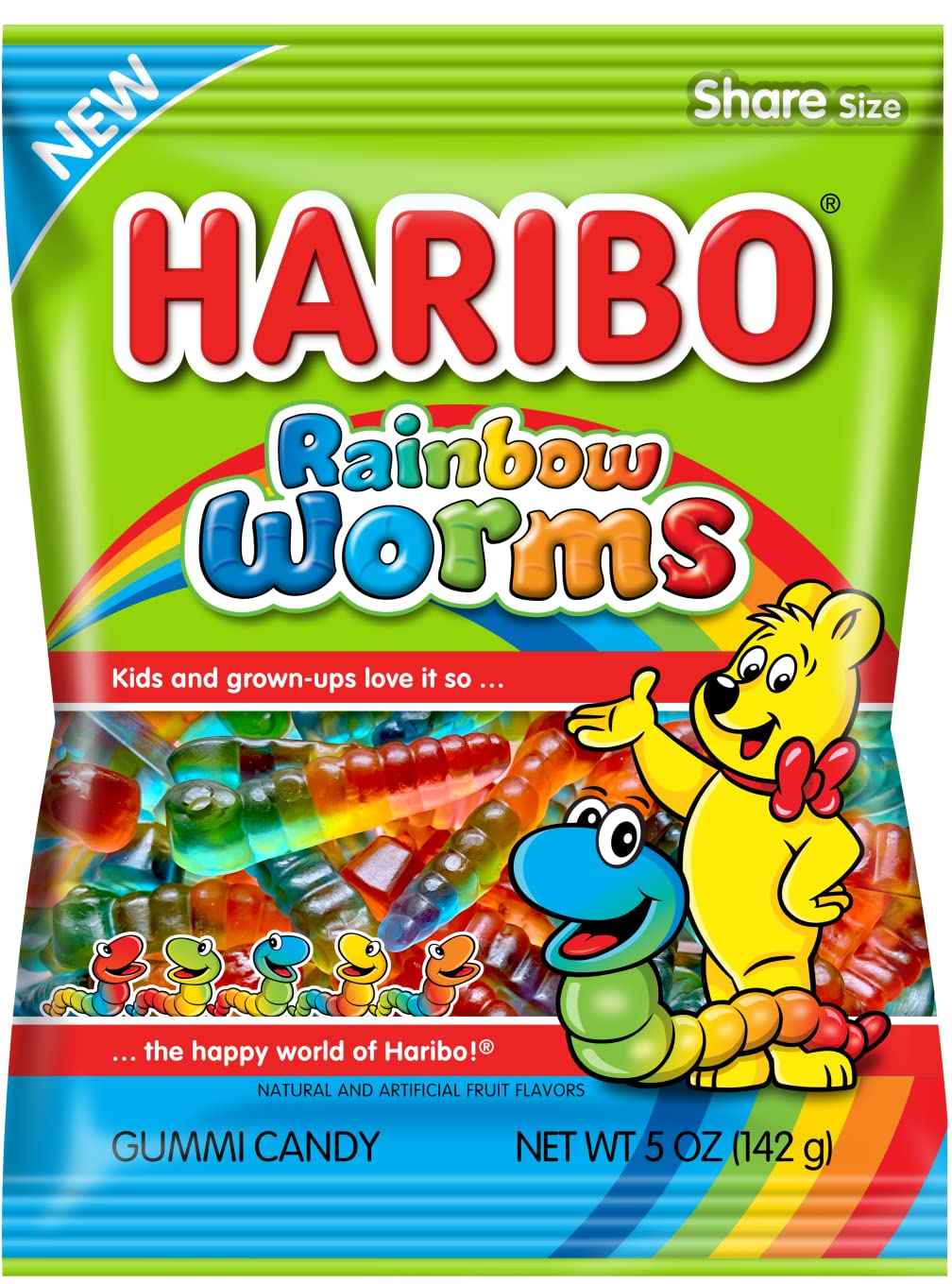
Haribo had been imported into the United States since 1982. When Haribo of America was incorporated in the 1980s in Baltimore, Maryland, Haribo’s gummi candies were introduced to the US mass market through retailers such as drugstores, grocery stores and discount stores. The packaging was translated into English, and package weights were adjusted to match US candy prices and package sizes.
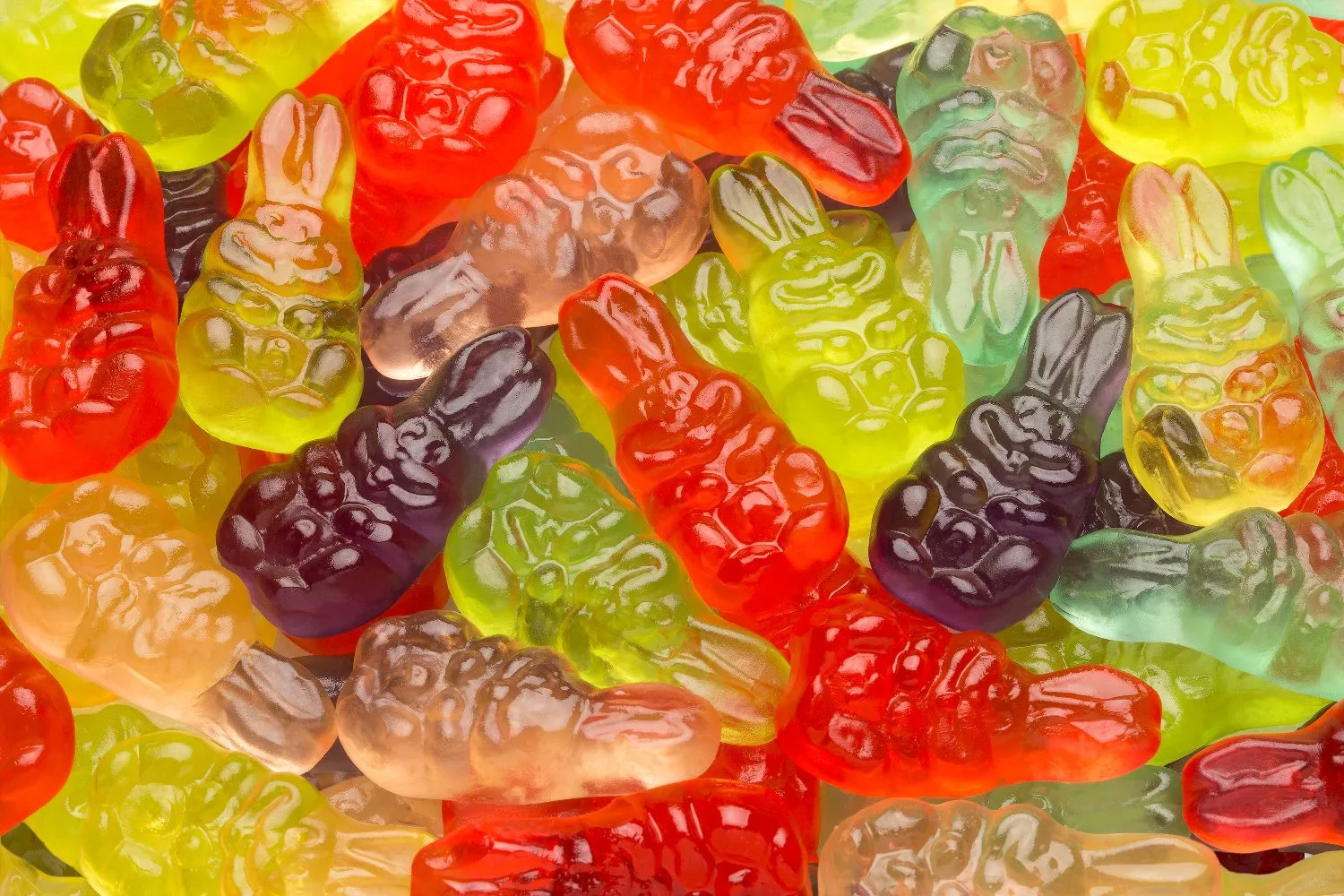
In 2015, Haribo of America moved to the Chicago, Illinois area and established their headquarters in Rosemont, Illinois. On 23 March 2017, Haribo announced the opening of its first US factory, a 500,000 sq ft (46,500 m2), 400 employee manufacturing plant in Kenosha County, Wisconsin, scheduled to start construction in 2020 by Gilbane Building Company. In 2023, the US factory went live and began producing Goldbears. Gummy worms are still produced in Germany. Gummy Bunnies are produced by Haribo competitor Trolli
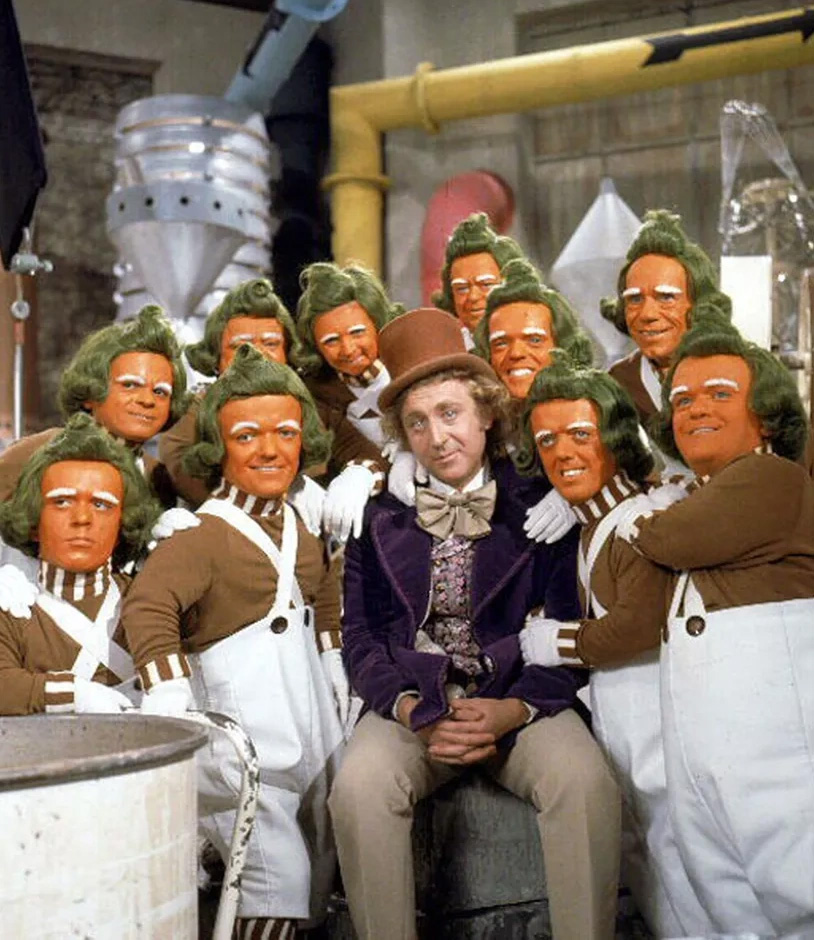
The Oompa-Loompas were the workers at Willy Wonka’s Chocolate Factory, who were imported by Willy Wonka direct from Loompaland.
They come from Loompaland, which is a region of Loompa, a small isolated island in the hangdoodles.
When Mr. Wonka went to Loompaland and saw the terrible conditions in which the Oompa Loompas were living, he invited them to come and work at his factory to get away from the terrible country they inhabited and the creatures that preyed on them: namely, the Whangdoodles, the Hornswogglers, and the Snozzwangers.
In the book, the Oompa Loompas are the only people Mr. Wonka will allow to work in his factory, because of the risk of industrial espionage committed by his candy-making rivals. They are only knee-high, with astonishing haircuts, and are paid in their favorite food, cocoa beans, which were difficult to find in Loompaland. Although the Oompa Loompas initially spoke only their own language, Oompa-Loompish (which Mr. Wonka was fortunately fluent in), they all now spoke English. However, the Oompa Loompas insisted on retaining their native clothing: men wore skins and women wore leaves, while the children wore nothing at all. (In both movies, they wore typical factory worker uniforms.) though only the male Oompa-Loompas are seen working in the factory

In the 1971 film Willy Wonka & the Chocolate Factory, they are portrayed as orange-skinned characters with green hair and white eyebrows and were portrayed by Rudy Borgstaller, George Claydon, Malcolm Dixon, Rusty Goffe, Ismed Hassan, Norman McGlen, Angelo Muscat, Pepe Poupee, Marcus Powell, and Albert Wilkinson. In the film, Vermicious Knids were also the Oompa-Loompas’ enemies alongside the Whangdoodles, Hornswogglers, and Snozzwangers.
In the 2005 film adaptation of Charlie and the Chocolate Factory starring Johnny Depp, the Kenyan actor Deep Roy played all 165 Oompa Loompas. Deep Roy had to take Pilates and dance classes for this role which involves numerous songs and dances. Also, he was dressed as some female Oompa-Loompas that worked in the administration offices.
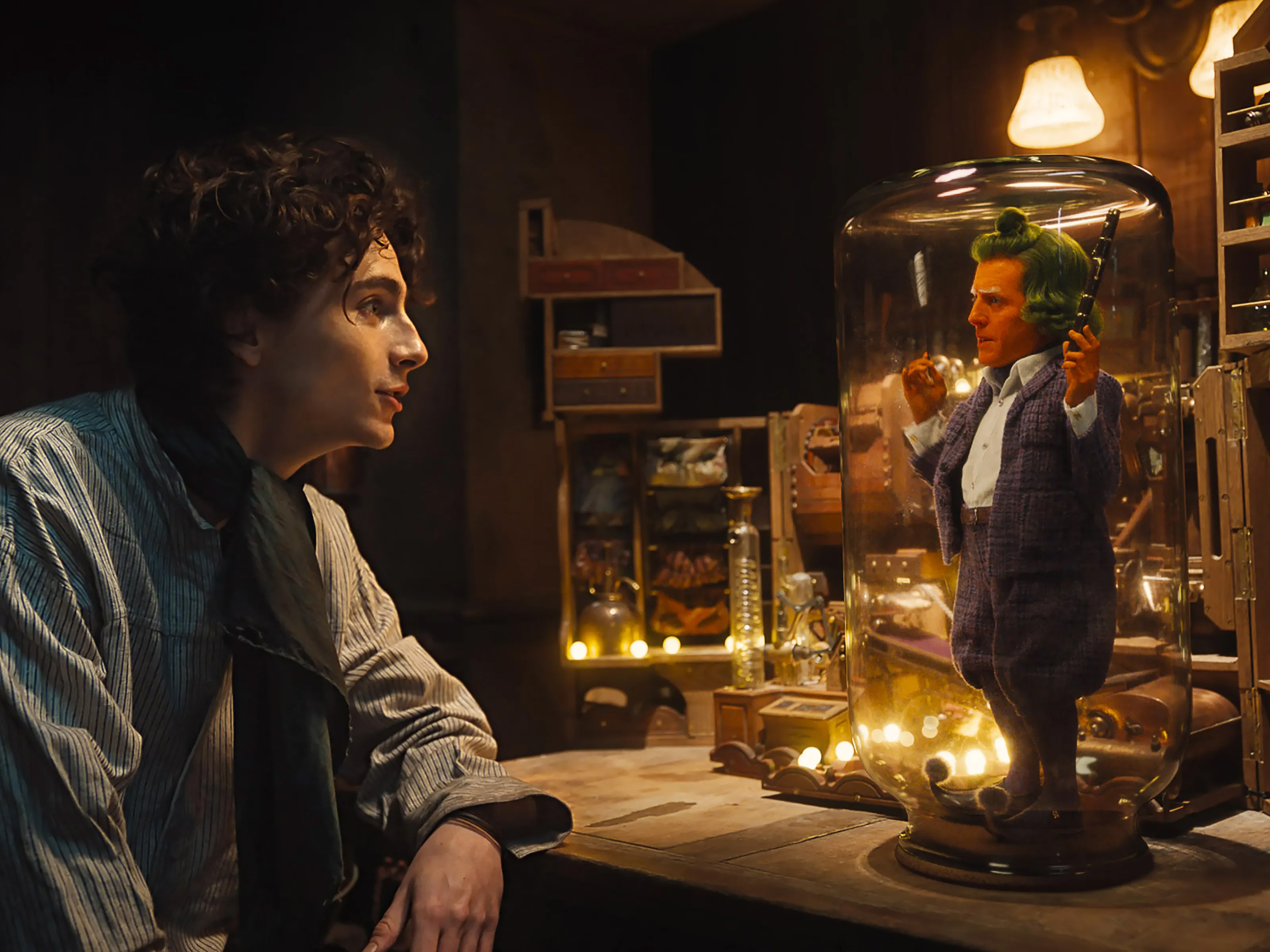
In the 2023 film Wonka, the Oompa-Loompas are portrayed identically to how they are in the 1971 film, the only difference being their size is more akin to the book and 2005 film. The only Oompa-Loompa to make a full appearance in the film was Lofty, as portrayed by Hugh Grant, who became Willy Wonka’s ally and the first factory worker for Willy Wonka’s Chocolate Factory.
The current list of all the Karamelle references can be found here.
All Gummy Unit images are from Wizard101, and are (c) KingsIsle Entertainment,
and are being used in a way that qualifies as fair use under US copyright law. All compilation images produced by Alien Graphics.
Haribo store image is copyright Asif Masimov. It is borrowed from Wikipedia and shared under the CC BY-SA 3.0 Creative Commons license.
All Haribo product images are copyright Haribo GmbH & Co. KG
Gummy Bunnies image is copyright Trolli
Willy Wonka & the Chocolate Factory (1971) image is copyright Paramount Pictures
Charlie and the Chocolate Factory (2005) image is copyright Warner Bros.
Wonka (2023) image is copyright Warner Bros.
Image usage qualifies as fair use under US copyright law.
 Vulcan Stev's Database