September’s RPG Blog Carnival is being hosted by Campaign Mastery, The Face of Money. Mike Bourke is asking what currency looks like in my gaming world. Since the only world building I’ve ever done is in Car Wars or items for my DM’s DnD game, I really don’t HAVE a world… unless… I’m going to dust off Toril (Earth-1974) from last December’s RPG Blog Carnival.
Quick Summary: Toril combines every iteration of D&D into one realm of existence, while injecting a healthy dose of Car Wars, modern settings, and post-apocalyptic RPGs as well.
- Age of Titans & Builders
- (Greyhawk’s Suel, Nithians, Forgotten Realm’s Creator Races — megaliths, pyramids, Nazca-lines, etc.)
- Age of Wonders
- (Eberron — Greco-Roman Empire, Atlantis / magitech antiquity)
- Age of Kingdoms
- (Faerûn — Medieval age)
- Age of Superstition
- (Ravenloft — Puritan Gothic)
- Age of Industry
- (Deadlands, GURPS Steampunk, Top Secret, Champions – Early modern steampunk era to modern tech settings)
- The Shattering / Near Collapse of Civilization
- (Car Wars / Dodges & Dragons — Post-apocalypse magic + autodueling + dragons)
- Age of Crystal Spheres
- (Spelljammer — cosmic exploration)
A Time Line for Car Wars up to 2033
My own additions to the Car Wars time line including Iowa specific events.
Now that we’ve got the backstory out of the way…
I’m going to focus on the post-apocalyptic money in the North American geo-political area formerly known as the Unites States of America during the time of The Shattering.
Dollars? Don’t We Need a Federal Reserve?
Something that always bothered me about Car Wars was that even after the Free Oil States seceded, the Dollar was still the unit of currency. Why? How do green pieces of paper with no Federal backing stay on as the accepted form of currency?
The key idea is: the government can fail without the currency disappearing. Money survives because people agree it represents value, not because somebody in Washington is answering the phone.
Why dollars survive
On Toril (Earth-1974), societal collapse is uneven. The federal government loses its ability to enforce law, maintain infrastructure, police highways, or exercise meaningful authority over large portions of the country. But banks, corporations, fortified cities, truckers, militias, guilds, and ordinary people still need to trade.
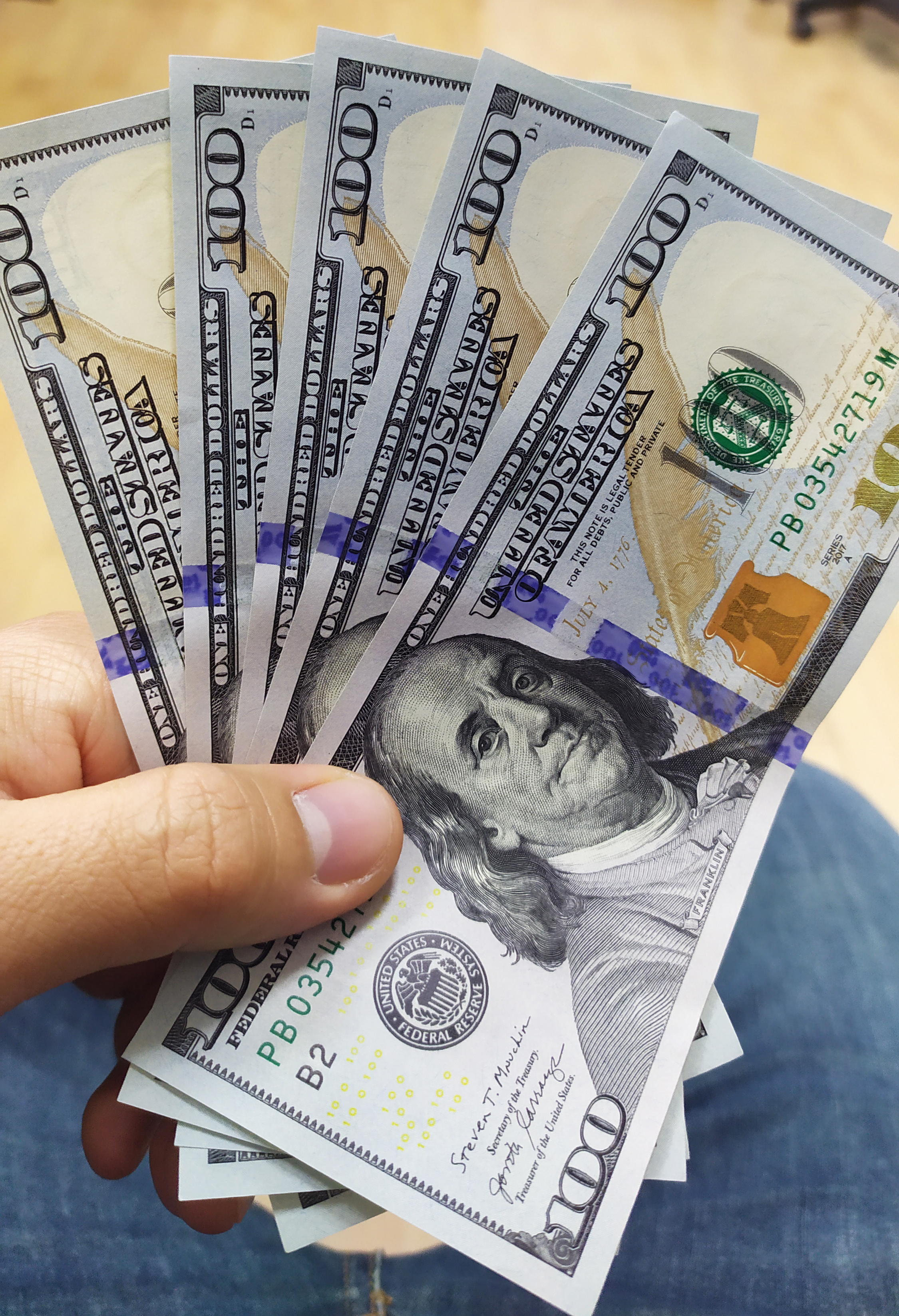
And everybody already knows what a dollar is.
Changing currencies during a societal collapse creates an enormous coordination problem. A mechanic in Missouri, an armored trucker from Texas, and a merchant caravan out of Chicago might disagree about practically everything, but all three understand:
$500 is $500.
So the dollar becomes something rather interesting: a currency without a country.
People distinguish between Old Dollars and New Dollars.
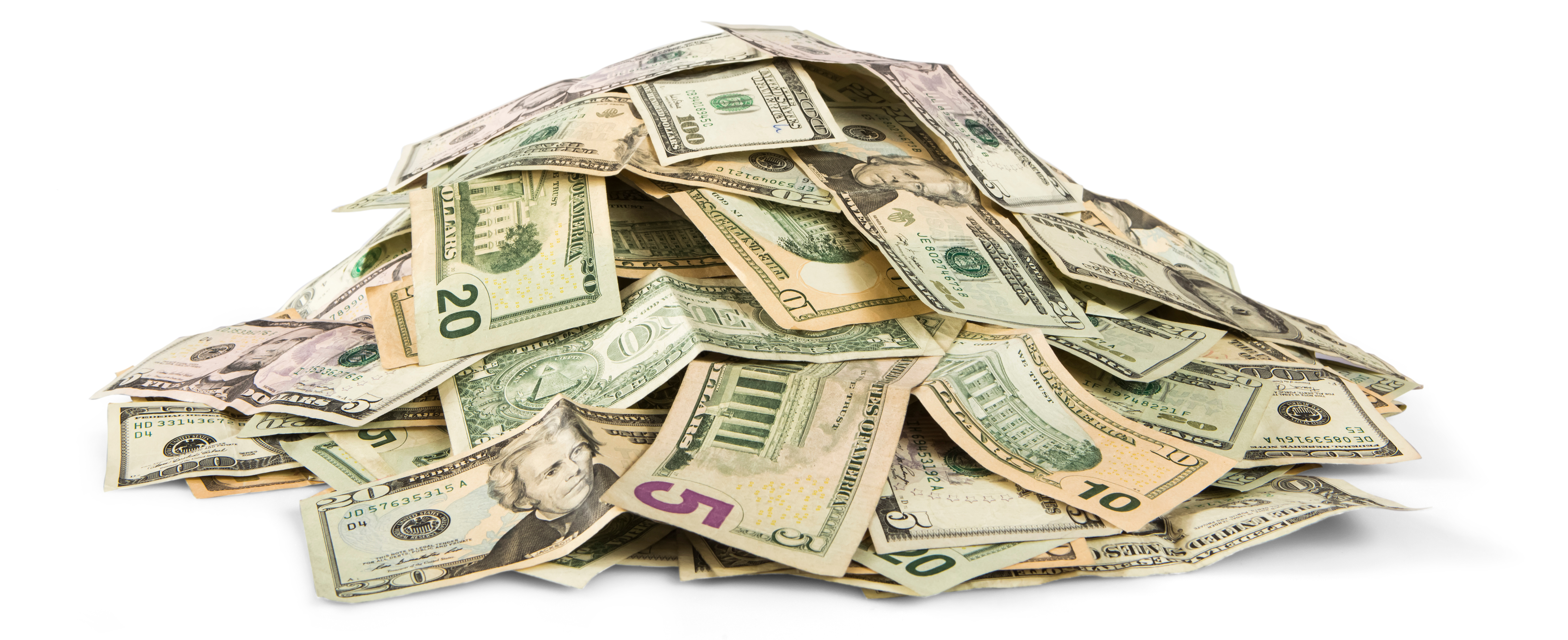
Old Dollars are actual pre-Collapse Federal Reserve paper notes. They’re universally recognizable, difficult enough to counterfeit, and finite because nobody is printing legitimate replacements anymore. Ironically, that could make surviving physical dollars more trustworthy after the collapse than immediately before it.
New Dollars are bookkeeping units. Banks, corporations, city-states, autoduel associations, truck stops and trade networks continue denominating prices in “$” because everyone already understands the unit.
A gallon of alcohol fuel might therefore cost $8 whether you’re paying with an old $10 bill, corporate credits, silver, or ammunition. The dollar becomes the universal unit of account without necessarily being the thing changing hands.
Who keeps the dollar alive?
The road economy is the institution that really saves it.
Once governments stop guaranteeing commerce, the organizations that can guarantee commerce become incredibly powerful: fortified truck stops, banks, fuel companies, trucking combines, autoduel arenas, salvage exchanges, mercenary companies, insurance syndicates, and large merchant guilds.
They collectively have a strong incentive to say: “Accounts will continue to be settled in dollars.” Because, everyone understands what a dollar is.
Suddenly a place like Fort Petro Truck Plaza #117 on I-44, or Honest Dave’s House of Ammunition matters more to the monetary system than the defunct Federal Reserve. The dollar survives because people still need to trade for the goods and services they require.
Banks aren’t just a place to store valuables. Those that survived the collapse are enormous financial clearinghouses. They don’t control territory. They don’t have citizens. Much like the guaranteed banks of the old Knights Templar, these institutions simply keep track of who owes what to whom.
There might not be a United States anymore in any meaningful political sense, but there is still an American economy haunting its corpse. This is what keeps the Dollar Standard alive.
But “$100” doesn’t necessarily mean 100 dollar bills
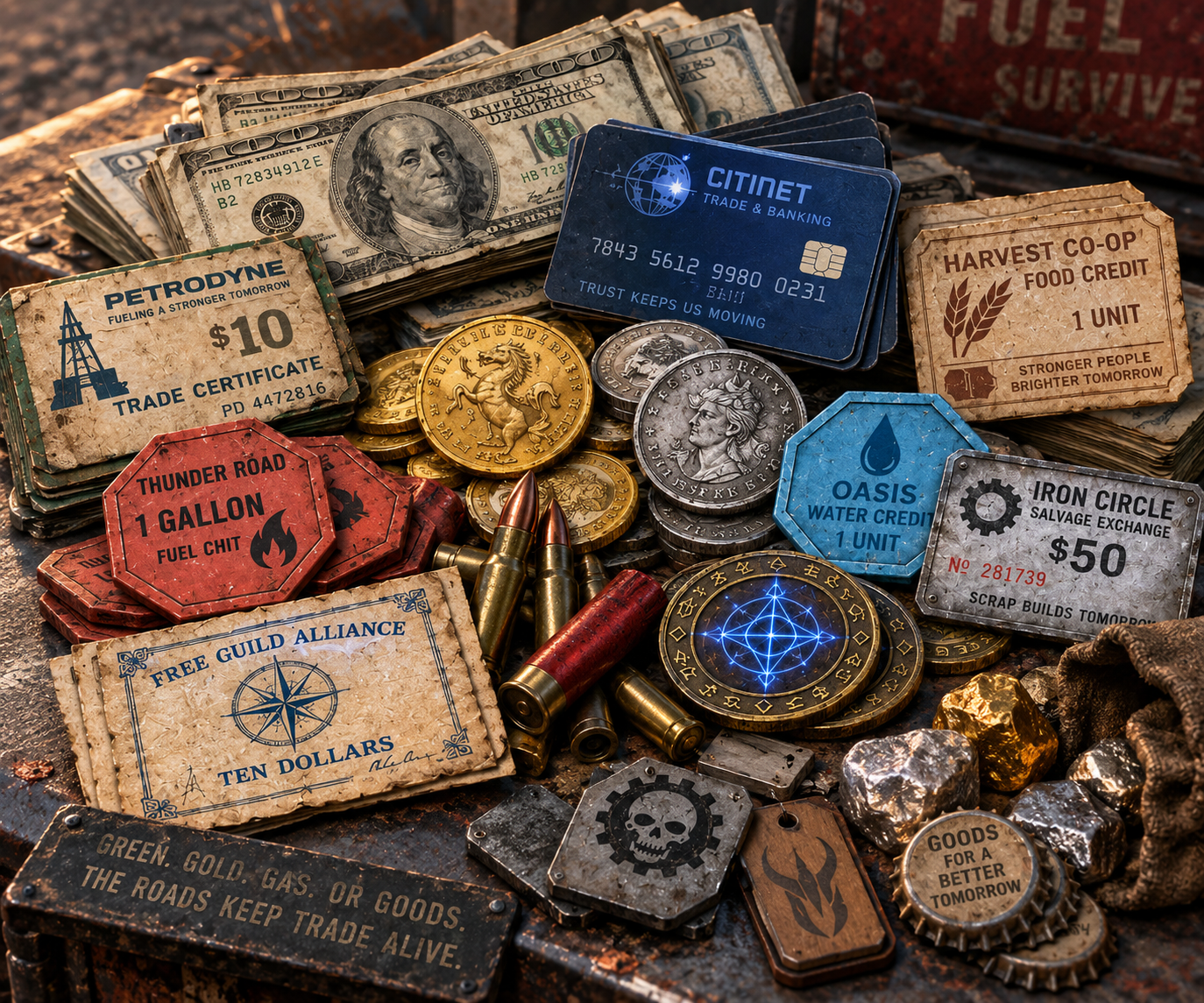
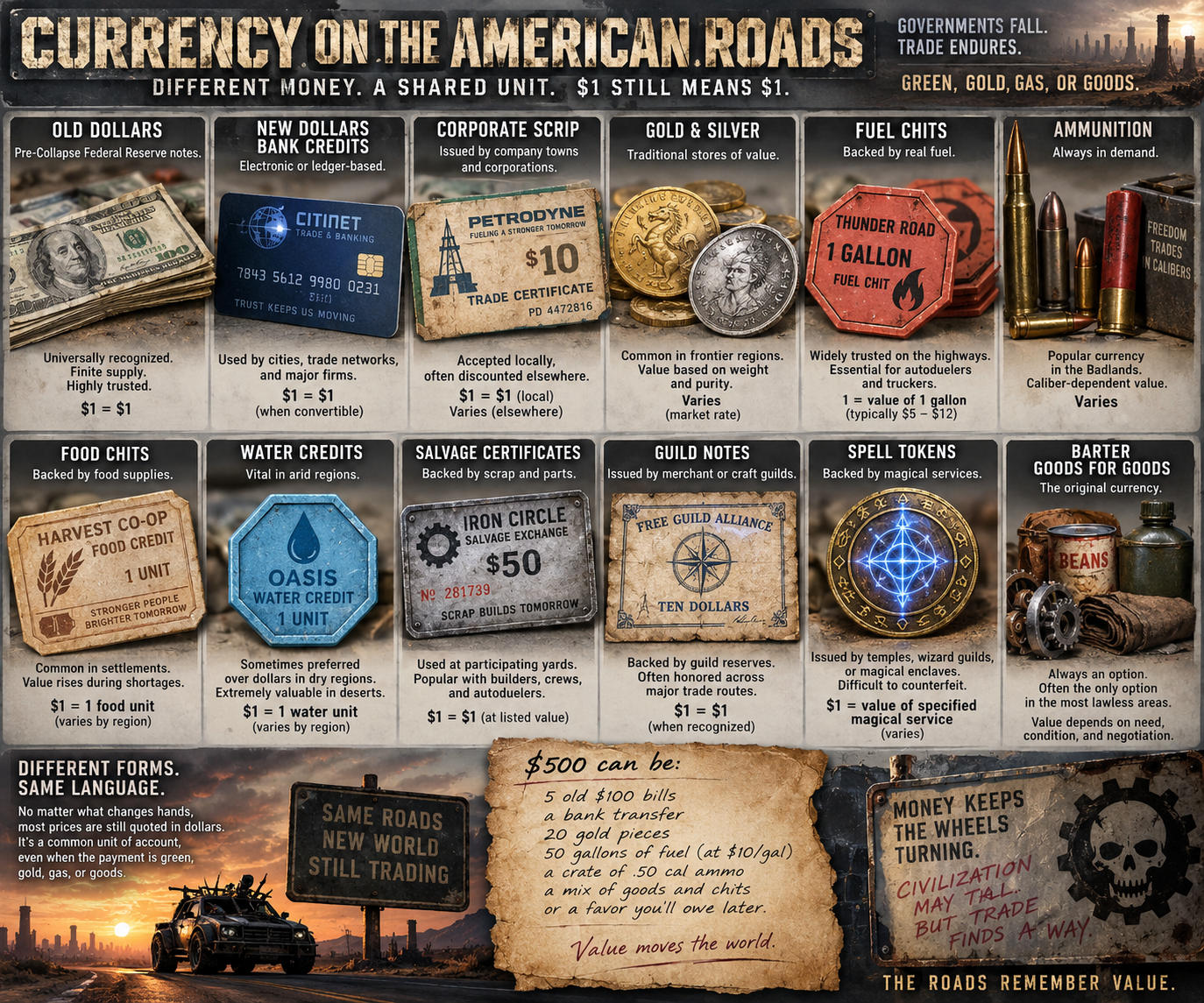
Different communities could use wildly different currencies while still pricing pricing everything in dollars. Although the unit is still “Dollars” the post-apocalyptic economy runs on everything from bullion to paper, fuel chits to salvage, antique coins to magic tokens. Let’s take a look at New Dollars.
| Currency | Where it’s common | Typical treatment |
|---|---|---|
| Old Dollars (“Green”) | Almost everywhere | $1 = $1 |
| Bank Credits | Cities or areas where networks are still active and running | Usually $1 = $1 The further from the home city of any given bank the less likely the note will be accepted at face value. |
| Corporate Scrip | Company towns | $1 locally; discounted elsewhere |
| Gold/Silver | Rural/frontier regions | Converted by weight |
| Fuel Chits | Highways | Extremely trusted and accepted at Face Value |
| Food Chits | Settlements | Based on local shortages |
| Water Credits | Arid regions | Sometimes preferred to dollars |
| Salvage Certificates | Autoduel/scrapper economy | Redeemable at participating yards |
| Guild Notes | Communities more isolated and dependent on Guilds | Backed by guild reserves |
| Spell Tokens | Magical enclaves | Redeemable for defined magical services or a set dollar amount |
| Barter / Ammo | Everywhere | Negotiated |
A trucker might therefore carry $340 Old Green, $2,700 in road credits, six fuel chits, three silver ounces, some salvage certificates, and a box of .50-cal ammunition and consider all of that “money.”
Green: The Old Dollars – As stated earlier, these units of currency have no intrinsic value. They maintain their worth due to sheer historical precedent. Most bills would have elaborate counterfeiting measures already in place, making it difficult to make bogus bills. Also it’s unlikely that new bills are being printed adding to the scarcity. The downside? It’s paper. In a world where oncoming traffic could roast you with a flame thrower, paper needs to be protected.
New Dollars: Electronic Funds – So long as your electronic device has a charge and you’re in an area that still has power and Net access, your money is “safe”. The down side is the infrastructure for Net access is failing in the rural areas. You might not be able to spend electronic New Dollars in some areas. Electronic funds are not kept on your person and are also vulnerable to hacking.
Corporate Scrip – Issued by one’s place of employment or the BIG employer in any given locality. If your employer is honest, your scrip has actual value at the company store or in the hometown of the company. But like trying to use a Burger King coupon at McDonald’s, Corporate Scrip isn’t going to get you much outside its jurisdictional footprint.
Gold & Silver / Bullion – Gold pieces haven’t been normal everyday money for centuries—but after the Collapse, grandpa’s ridiculous collection of antique gold crowns suddenly isn’t so ridiculous. And if we follow the basic rule of thumb that 1 GP of purchasing power in D&D is equal to about $100, we can suddenly add anything from D&D rulebooks into the economy without a lot of conversion hassle.
Fuel Chits – Usually issued by the larger chain fortified truck stops. These chits can be used to top off your tank or recharge the car’s battery. The downside to this is much the same as trying to cash casino chips from Harrah’s at Caesar’s Palace, the Flying J isn’t going to accept Bucky’s chits and vice versa. Most professional drivers will make note of which fortified truck stops are on today’s route and make sure they have the proper fuel chits. Smaller non-affiliated stations and truck stops might accept “foreign” chits but it’s not guaranteed.
Food Chits – Are usually issued by producers of food. Sure I could pay you with a loaf of bread but bread is perishable. A food chit doesn’t mold or go stale. The downside is that in an area of scarcity there might not be any food currently available for purchase.
Water Chits – These aren’t usually seen in areas with a decent potable water supply. Also in the more arid regions, just because you have a water chit doesn’t mean there’s water to be had.
Salvage Certificates – On the open road, if you kill it, you can keep it. But really? Who other than professional scavengers or salvage yard techs drive around with the appropriate equipment to strip a fresh kill? You might have room on board for the spare ammo and other valuables. But that sweet auto cannon is going to take a full shop and few hours to strip out and mount on your vehicle. Call the local Salvage Yard and they’ll issue you a certificate for the agreed upon value of the wreck and its components and you don’t have to stick around and guard your prize.
Guild Notes – As Toril (Earth-1974) has it’s historical base in D&D TTRPG, the various guilds have survived (albeit with a modern twist), that said, the AADA (American Autoduel Association) and Brotherhood (Trucker’s Union) would also qualify as guilds. I can definitely see Toril’s NRA being recognized as a guild. Truckers and Autoduelists are more likely to accept Guild Notes from affiliated guilds.
Spell Tokens – A recognized Wizard’s Guild might issue enchanted coins that are extremely difficult to counterfeit. Temples could issue magically authenticated letters of credit. A merchant house might create tokens that glow when genuine. Sending-type magic could allow distant banks to verify accounts even when conventional telecommunications are unreliable. Spell Tokens and enchanted coins might carry more universal acceptance than other Guild Notes (unless of course you run into an area where magic is outlawed by local ordinance).
Barter – Barter is the oldest and original form of currency. We still have it today. When civilization crumbles, barter will return. But it will still be I value my services in ‘X’ amount of dollars is it amenable to you to trade your goods that you value at ‘X’ dollars for my services?
Where Is the Currency Used?
The type of currency being used would be dependent on where you making the purchase.
Civilized zones primarily use dollars and electronic credits. Corporate scrip and guild notes are readily convertible.
The Road uses dollars, fuel chits, precious metals and certified trade tokens. Electronic payment works only when you’re connected to a trusted network.
The Badlands use hard currency and barter: gold, silver, ammunition, fuel, water, medicine, batteries, spell components, and occasionally Old Green.
Everything can still be priced in dollars.
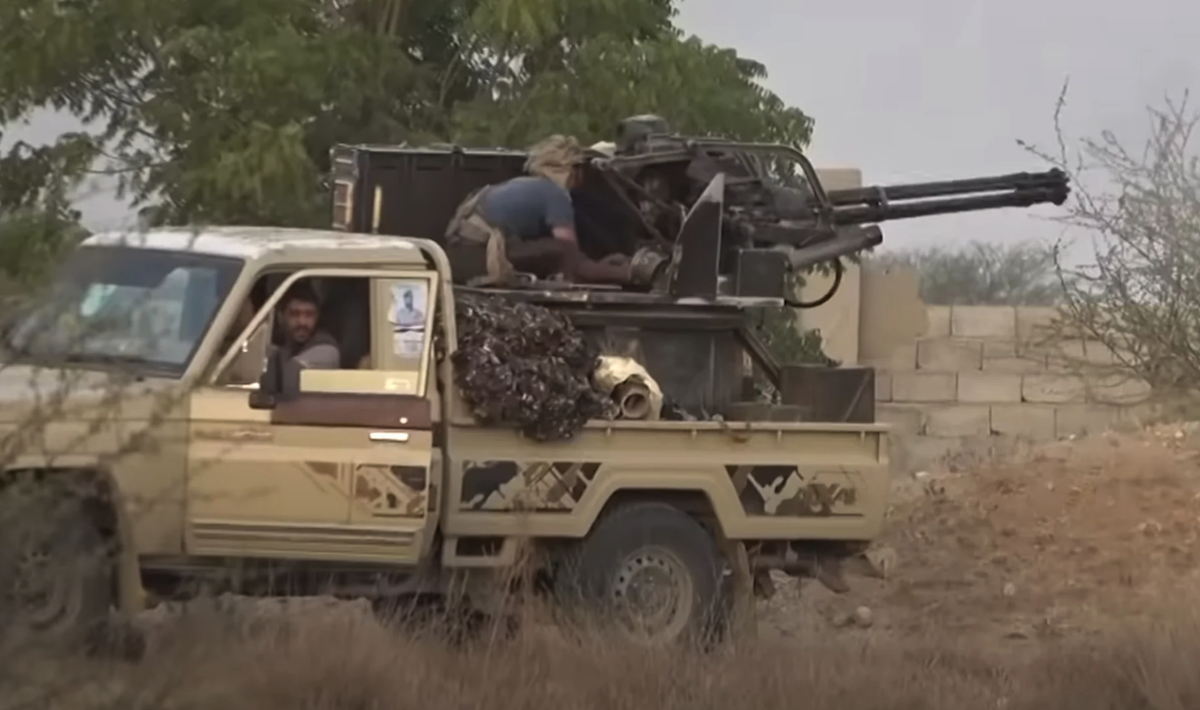
So when the rulebook says an autocannon costs $8,000, that’s not necessarily saying the character hands somebody eighty $100 bills. It’s saying:
This weapon has eight thousand dollars’ worth of trade value.
Maybe the buyer pays $3,000 electronically, hands over four gold pieces, throws in two fuel chits, and trades the merchant a salvaged targeting computer for the balance.
That preserves the wonderfully recognizable Car Wars dollar prices while making the economy feel appropriately fragmented.
“Green, gold, gas, or goods.” Those are the four universally understood ways to settle a debt on the American roads and each of them are valued in Dollars.
$500 image sourced from Adobe Stock images #535692102
“Old Green” image sourced from Adobe Stock images #59161069
New Dollar currencies image was built with the help of ChatGPT. Edited by Alien Graphics
New Dollar infographic image was built with the help of ChatGPT. Edited by Alien Graphics
Toyota Truck with an Autocannon image is sourced from MotorBiscuit.com Copyright 2026 MotorBiscuit – CG Media, LLC.


An interesting read, but I didn’t get a notification of this submission – fortunately, I noticed traffic coming through the link at the top of the response.Not throwing any shade, just posting a question – have you commented that the states (such as they are) might settle on a base peg for the greenback of the value of an unmodified 5-year-old F150 or something similar? It doesn’t matter too much what it is, so long as everyone uses it. Peg it to maybe $20,000 and you’re off and running.
LikeLike
@Mike
I did leave a comment on your original post with the link. I’m not sure why WordPress didn’t send you a notification about the post.
The economics of used cars is something that Steve Jackson games never covered in any Cars Wars ruleset that I’m aware of. Until now, I’ve never given it much thought. It’s an interesting thought process. My gut response is that used car prices fluctuate from area to area.
LikeLiked by 1 person
The link did show up, eventually. One of the many internet weirdness events that crop up from time to time, I guess. As for the economics of used cars – I’ve never seen anything like it, either, but it seems appropriate for Car Wars. Food for thought, nothing more.
LikeLike