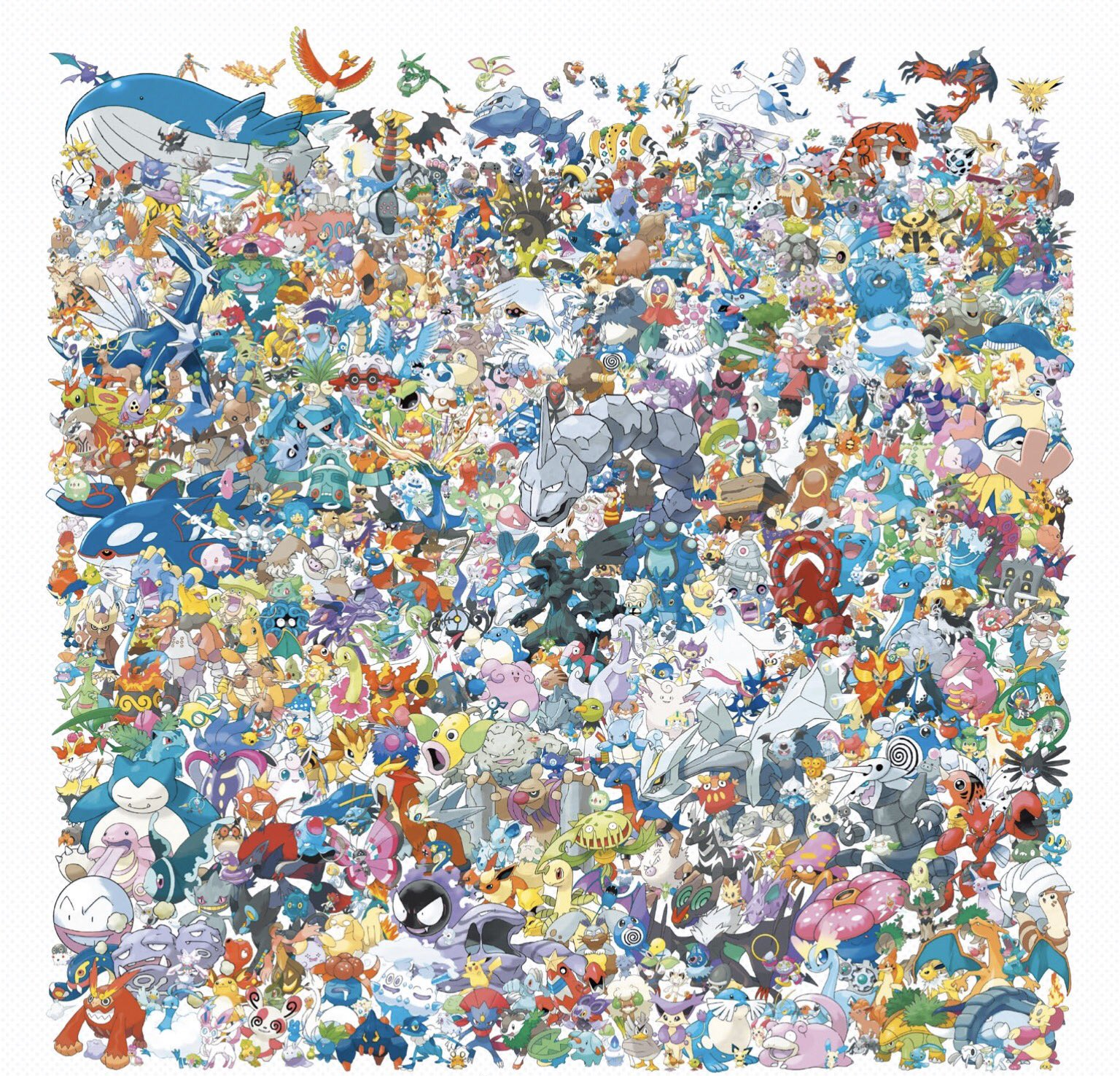
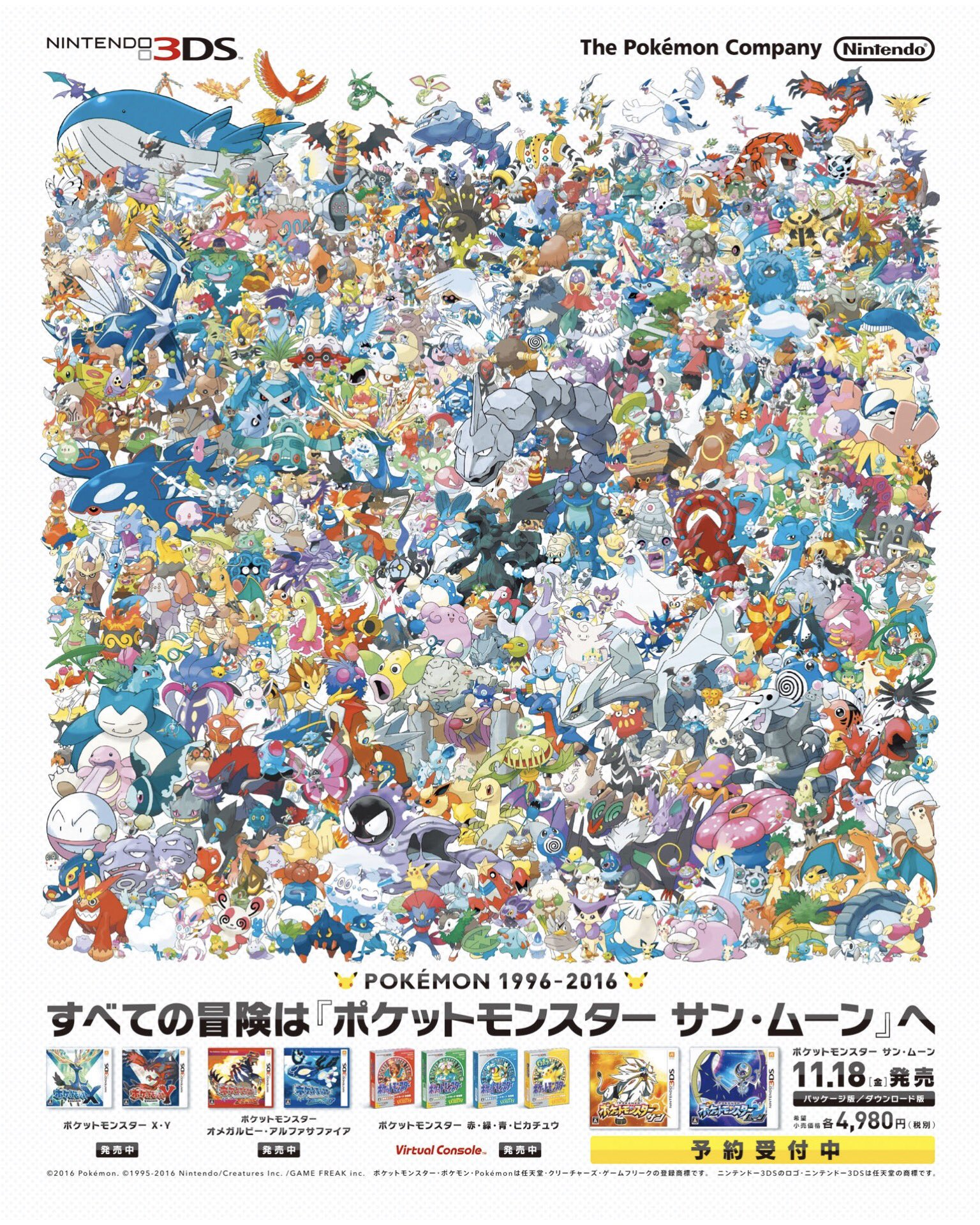
Since my grandchildren started me on the hobby that is collecting Pokémon TCG cards, I have made it my first goal to have at least one card of each of the (Currently as of 10-5-2026) 1025 different Pokemon. [NOTE as I’m writing this article, I’m at 928 of 1025]
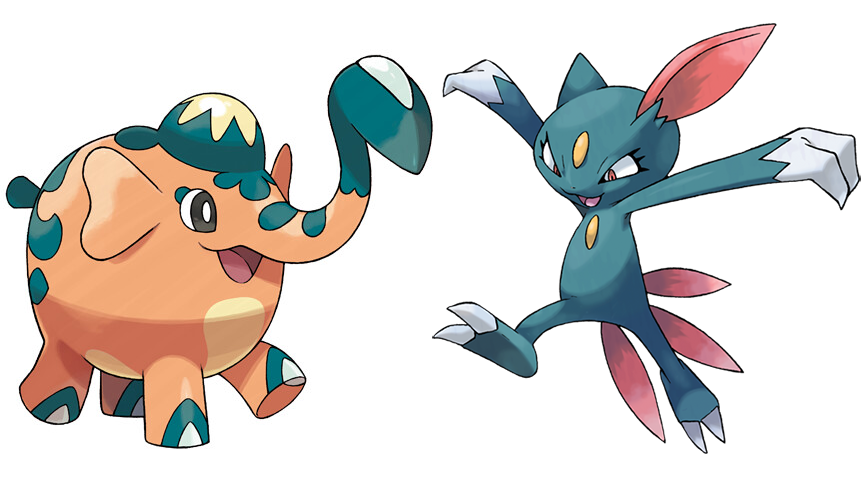
What I’ve noticed while sporting my cards is the word play in many Pokemon names. i.e. Cufant is a CUte little eleph-(F)ANT, Sneasel is a Sneaky wEASLE. It got me wondering How and Why do Pokemon have the names they do? Where do the names come from? For example the original full name of the franchise is Pocket Monsters (ポケットモンスター, Poketto Monsutā). The portmanteau Pokemon (ポケモン), used since the international launch, works in both the English and Japanese names (a portmanteau is a word made by combining two words, in this case, the words “pocket” and “monster”). Many Pokémon species names are also portmanteaus (Charmander Char – to burn and Salamander).
So which comes first, the Japanese or English name? English Pokémon names are created by localization teams (such as Nintendo of America staff and translators like Jeff Kalles) who adapt the original Japanese names for international audiences using creative wordplay. Instead of simply translating or spelling out Japanese names phonetically, localization teams often rebuild the jokes, puns, and references so they make sense to English speaking players and collectors.
It is not the goal of this article to look at the etymology of all 1025 Pokémon species names, but rather to point out some of my favorites. If you must know the etymology of all 1025 Pokémon names check out this cool article over at the Pokémon Database.
Here’s some of my favorites:
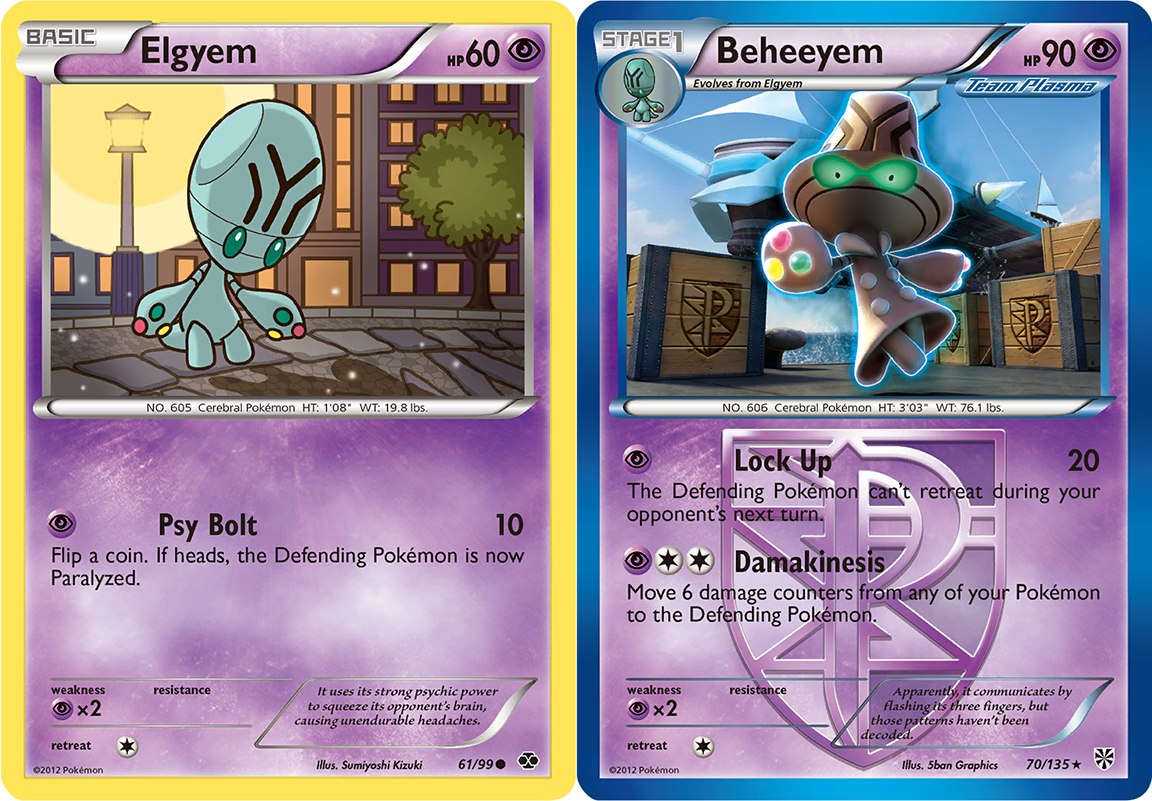
Elgyem & Beheeyem are my two favorite Pokémon because they are canonically aliens in the Pokémon Universe. Not only are they aliens but lets deconstruct their names. Elgyem is pronounced el-gee-em, ‘L G M’. L. G. M. stands for Little Green Men, one of the English nicknames for extraterrestrial beings. Beheeyem is pronounced be-hee-yem, ‘B E M’. B.E.M. stands for Bug Eyed Monster.
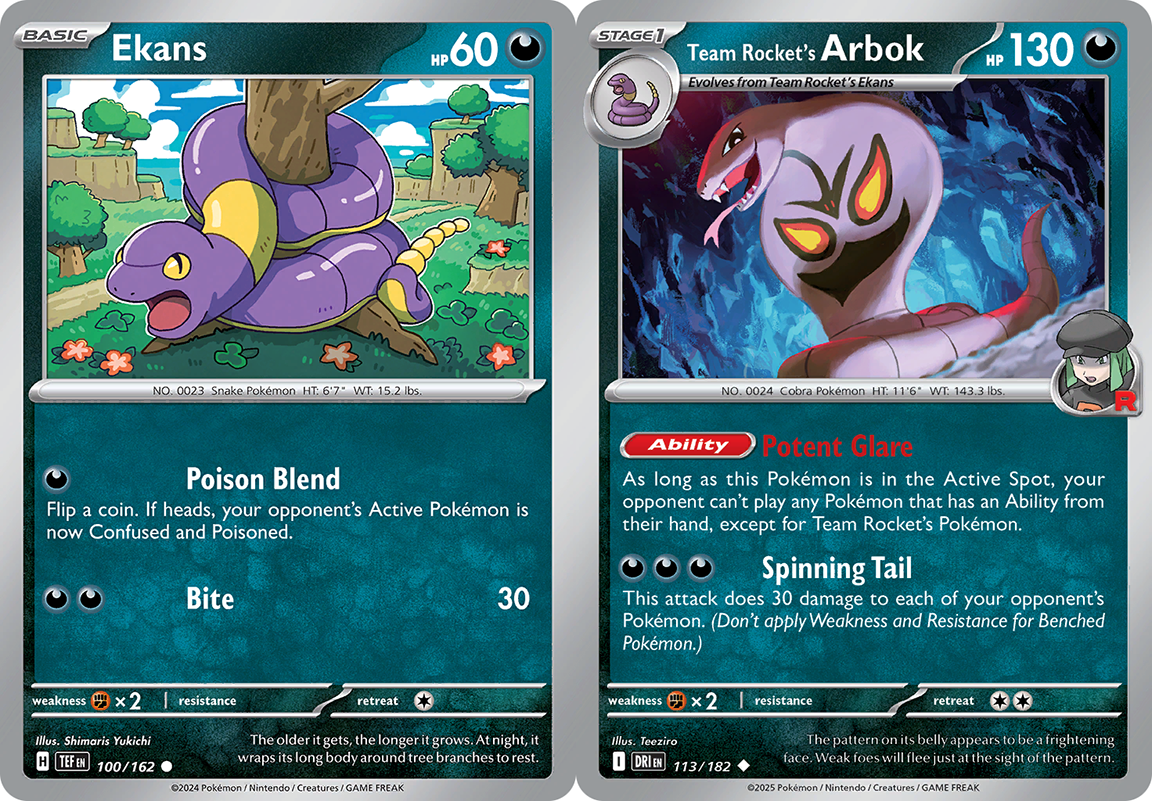
Ekans & Arbok Ekans is Snake spelled backwards. Arbok is Kobra (Cobra).
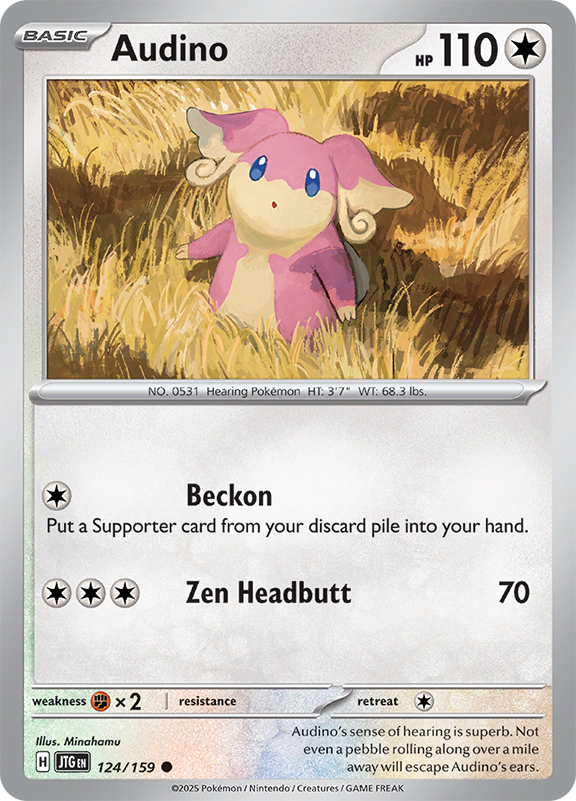
Audino This Pokémon’s Japanese name is Tabunne (たぶん tabun is the equivalent of “Maybe” or “Probably” or “I guess so”) and the pronunciation in English sounds pretty close to “I don’t know”.
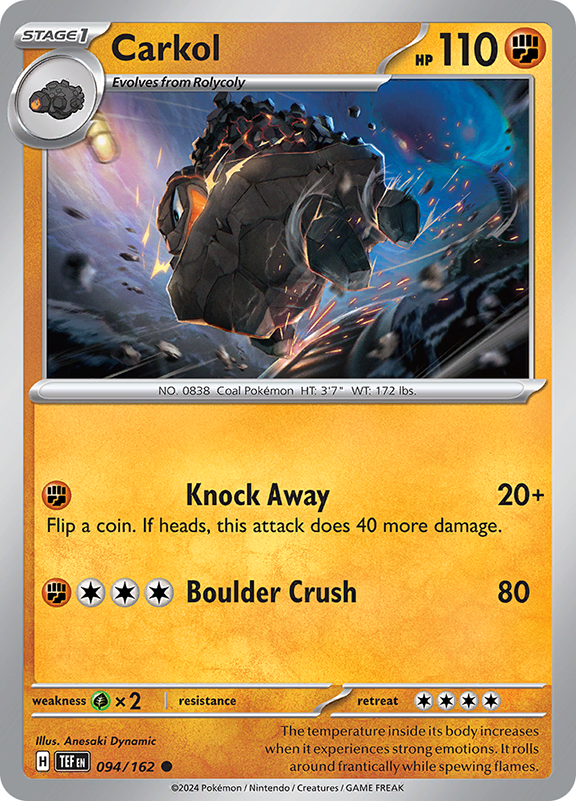
Carkol looks like a miner’s cart. A cart used for transporting coal out of the mine. Flip the two syllables Kol Car. Coal Car.
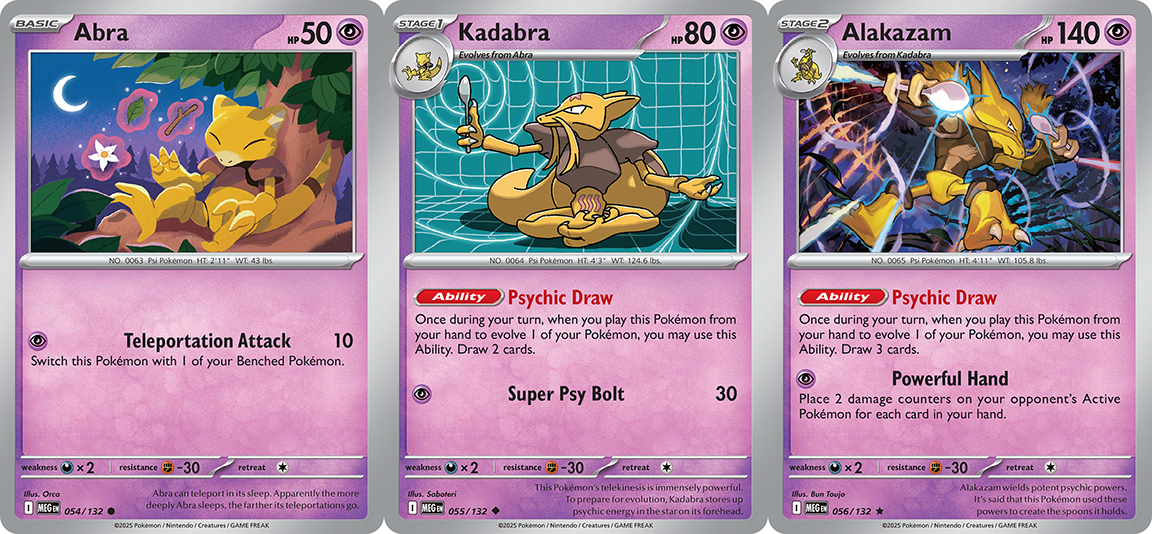
Abra, Kadabra & Alakazam – Yes, in English it’s the cliche magic words used by stage magicians for decades. But to understand the full weight of those names we need to look at the Japanese names as well. Abra: Casey (ケーシィ, Kēshii), named after the famous American mystic and psychic Edgar Cayce. Kadabra: Yungerer (ユンゲラー, Yungerā), named after the spoon-bending illusionist Uri Geller. Alakazam: Foodin (フーディン, Fūdin), a name styled after the legendary escape artist and magician Harry Houdini.
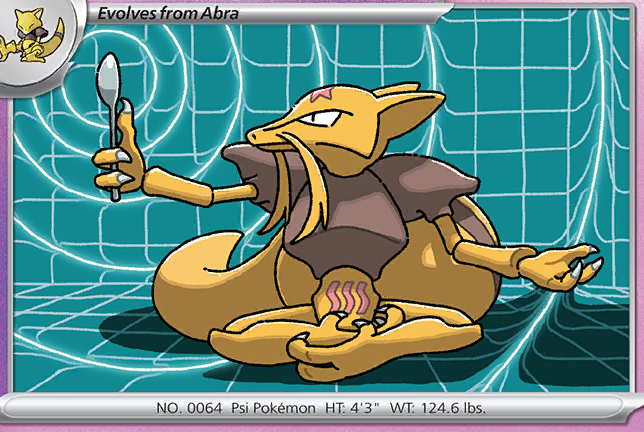
An interesting side note… Kadabra’s Japanese name is Yungerer (or Yungeller), which is a clear phonetic and visual phonetic nod to Uri Geller. In 2003 Geller claimed Nintendo stole his identity by giving Kadabra the ability to bend spoons—his signature stage trick—along with psychic-themed patterns on its body that he argued resembled dark or unauthorized symbols. Geller sued for roughly $60 million to $100 million USD. For 20 years Nintendo ceased including Kadabra in Pokémon TCG sets. In November 2020, Geller reversed his position, publicly apologizing and stating that he realized it was just a fun homage. He wrote a letter to The Pokémon Company lifting the ban. Kadabra officially made its triumphant return to the Pokémon TCG in the Pokémon Card 151 set released in 2023.
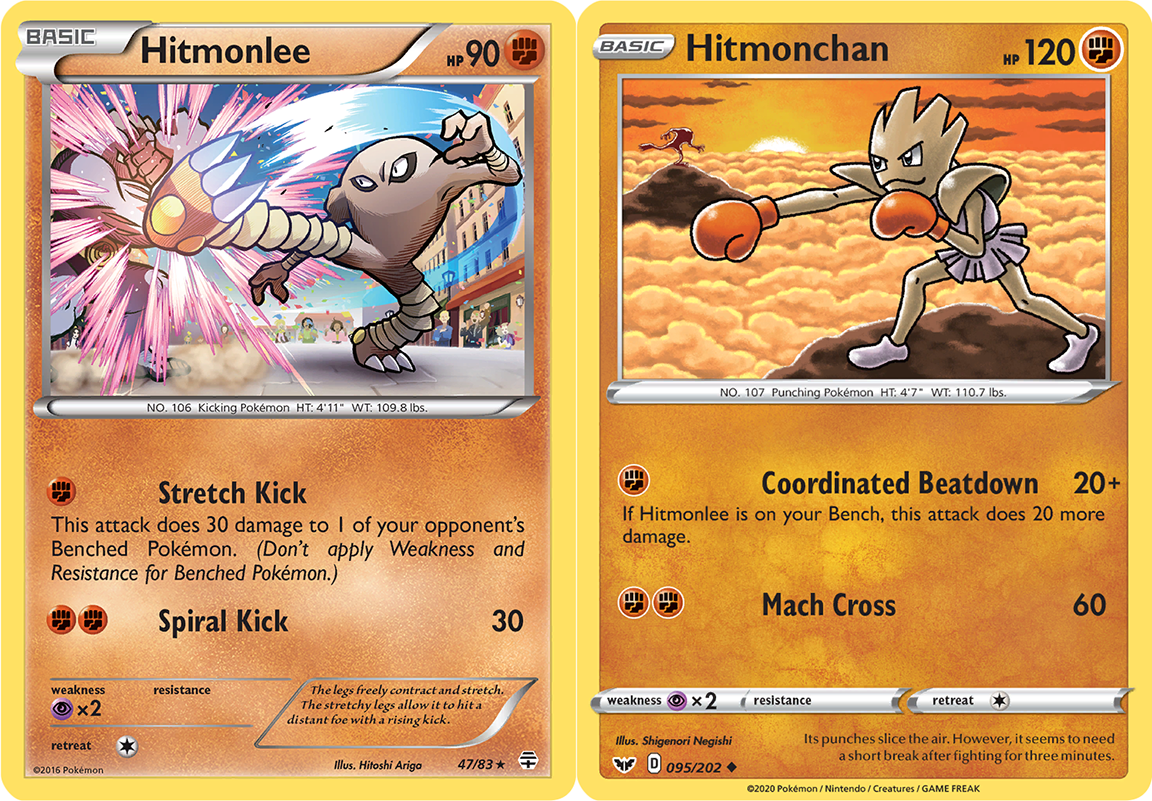
Hitmonlee & Hitmonchan are obvious homages to martial artists Bruce Lee and Jackie Chan. To fully understand how the international team keeps the spirit of the original name in place we need to look back at the original Japanese names for these Pokémon. Hitmonlee is Sawamular (サワムラー, Sawamurā), in honor of the famous Japanese kickboxer Tadashi Sawamura. The Japanese name for Hitmonchan is Ebiwalar (エビワラー, Ebiwarā), in honor of the famous Japanese boxer Hiroyuki Ebihara. These references would go right over the head of most English speaking Pokémon players.
Those are eleven of my favorite punny Pokémon names. What are yours? With enough suggestions, I might revisit this topic in the future.
all Pokémon imagery is © Pokémon / Nintendo / Creatures / GAME FREAK
Pokémon Nintendo 3Ds ad is borrowed from Bulbapedia
all Pokémon card images are borrowed from Limitless TCG with some manipulation by Alien Graphics

